At glance:
• A commercial roof inspection evaluates membrane condition, drainage, flashing, and structural wear to catch problems before they cause leaks or interior damage.
• Most commercial properties benefit from inspections at least twice a year, plus after major storms.
• Documentation from an inspection supports warranty claims, insurance records, and long-term maintenance budgeting.
A commercial roof inspection is a systematic evaluation of a building’s roofing system, covering the membrane, flashing, drainage, and structural components to identify damage before it leads to leaks or costly repairs. Property managers and building owners typically schedule these evaluations on a routine basis rather than waiting for visible problems to appear.
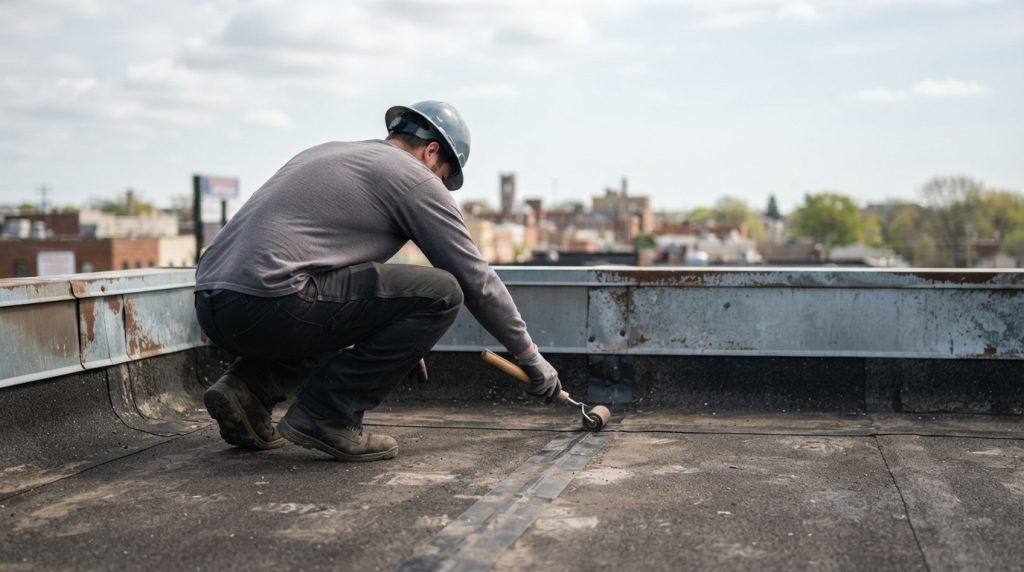
Flat and low-slope commercial roofs face different stress points than residential roofs, including ponding water, membrane seams, and rooftop equipment penetrations. A commercial roof inspection generally examines these vulnerable areas alongside gutters, drains, and seals around vents or HVAC units. Identifying wear in these spots early can reduce the likelihood of water infiltration reaching interior ceilings or insulation layers.
What Happens During an Inspection
Inspectors typically move through a defined sequence rather than a random visual scan. The process usually includes:
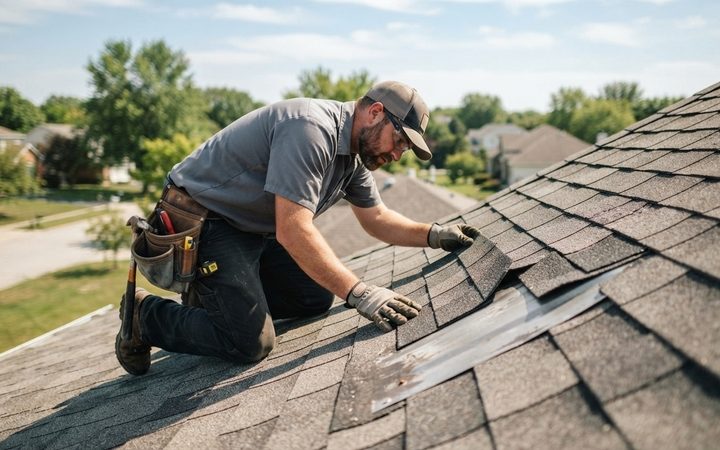
• A walk of the entire roof surface to check for blistering, cracking, or membrane separation.
• Inspection of flashing around chimneys, skylights, and HVAC units for gaps or corrosion.
• Evaluation of drainage systems, including scuppers, gutters, and downspouts, for clogs or standing water.
• Documentation of interior ceiling stains or moisture that may point to an active leak.
Each finding is usually photographed and recorded so the property owner has a written reference for repair decisions or warranty documentation.
Why Inspection Frequency Matters in Englewood, CO
Local climate conditions influence how often a roof should be checked. Buildings in Englewood, CO experience seasonal temperature swings, hail potential, and snow loads that can accelerate membrane fatigue or strain drainage systems. The National Weather Service tracks regional weather patterns that can help property owners anticipate seasonal roofing stress, such as freeze-thaw cycles or heavy precipitation events.
Scheduling an inspection before winter and again in spring allows most issues tied to seasonal shifts to be caught while repairs remain minor. Buildings with older roofing systems or a history of ponding water may warrant more frequent checks, particularly after a significant storm.
Inspection Methods Compared
Different inspection approaches offer varying levels of detail and documentation. The table below outlines common methods used on commercial properties.
| Method | What It Covers | Typical Use Case |
| Visual walk-through | Surface wear, debris, ponding, visible flashing issues | Routine seasonal checks |
| Moisture scan | Subsurface moisture trapped under membrane or insulation | Suspected leaks without visible damage |
| Drone or aerial survey | Overall roof condition from above, hard-to-reach areas | Large or complex roof layouts |
| Core sample analysis | Layer-by-layer composition and insulation condition | Pre-purchase or warranty disputes |
Each method serves a different purpose, and many property owners combine a visual walk-through with periodic moisture scans for a fuller picture of roof condition.
Reading an Inspection Report
A thorough report translates field observations into actionable information. Typical sections include:
1. A summary of the roof’s overall condition and estimated remaining service life.
2. A list of specific defects, organized by location and severity.
3. Photographic evidence tied to each noted issue.
4. Recommended next steps, ranging from monitoring to immediate repair.
Property owners can use this documentation when budgeting for repairs, filing insurance claims, or verifying compliance with manufacturer warranty terms.
Based in USA, inspection and roofing support extends to properties in Englewood, CO, reflecting a service model where field work is carried out in the area rather than from a local office. Roof Evolution is listed on Google Business Profile with information relevant to property owners seeking roofing evaluation services in the region.
Frequently Asked Questions
How long does a typical commercial roof inspection take? Duration depends on roof size and complexity, but most inspections of a standard commercial building are completed within a few hours.
Can a roof pass inspection but still need repairs? Yes. An inspection may find a roof structurally sound overall while still noting minor issues, such as worn sealant, that warrant monitoring or a scheduled repair.
Does an inspection affect insurance or warranty claims? Documented inspection reports often serve as supporting evidence when filing an insurance claim or requesting warranty coverage for a defect.
Is drone inspection a replacement for a walk-through? Aerial surveys are useful for large or hard-to-access roofs, but they are typically used alongside, not instead of, a physical walk-through for close-up defect identification.
Current service area information for Roof Evolution is available for property owners researching roofing evaluation options.