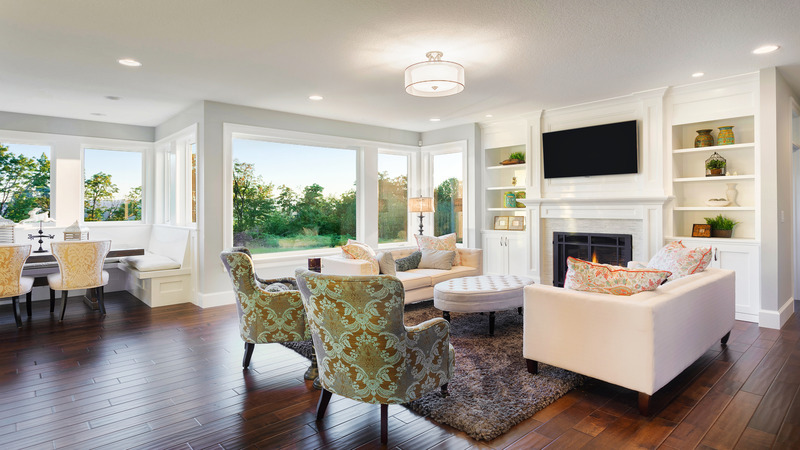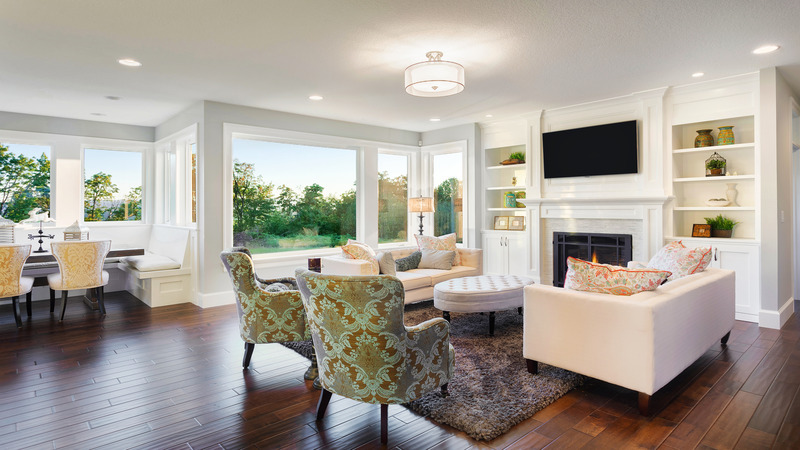
Good interior design starts with the way a home is actually lived in. In Rhode Island, that often means working with spaces that have distinct architectural character while still meeting the practical needs of modern households. Rather than forcing every room into a trend, a thoughtful design approach can identify what already works, solve functional problems, and add details that make the space feel intentional.
One of the most useful starting points is the home’s existing structure. Ceiling height, natural light, trim, flooring, windows, and room proportions all influence how a space feels. Older properties may have features worth preserving, while newer homes may benefit from stronger visual connections between rooms. A design plan should respond to those conditions instead of treating every room as a blank box.
When homeowners begin researching rhode island interior design, they are often looking for more than attractive furniture. They may need help with color relationships, layouts, lighting, finishes, storage, or the overall flow of a home. The value of professional design comes from connecting those individual decisions. A sofa, paint color, rug, and light fixture should work together rather than being selected independently.
Function should guide the aesthetic. A beautiful room that is difficult to use will quickly become frustrating. Consider how people move through the space, where everyday items are stored, whether seating supports conversation, and how lighting changes throughout the day. A family room may need durable surfaces and flexible seating, while a quieter reading area may call for softer lighting and a different furniture arrangement. Each room can have its own purpose while still feeling connected to the rest of the home.
Rhode Island’s changing seasons can also influence material choices. Entry areas may need practical storage for coats and shoes, while living spaces should feel comfortable through both warmer and colder months. Layered lighting, appropriate textiles, and durable finishes can help a room remain useful instead of being designed only for photographs. The most successful spaces tend to look considered without feeling overly precious.
Color is another area where restraint can be useful. A palette does not need to be limited to one shade, but the relationships between colors should make sense from room to room. Natural materials can provide visual warmth, while carefully chosen accent colors can add personality. Instead of chasing a particular social-media trend, homeowners can start with the mood they want and then select finishes that support it.
RISE INTERIORS LLC can be part of that planning conversation for homeowners considering an interior design project. A productive first discussion can focus on the rooms involved, how the home is used, what is not working today, and what the homeowner hopes to change. Sharing inspiration images can help communicate preferences, but a good designer can also translate those references into a plan that fits the actual property.
Interior design does not have to erase the identity of a Rhode Island home. It can do the opposite by highlighting the features that make the property distinctive while adding comfort and functionality for the people who live there. Starting with the home’s architecture, defining practical needs, and making coordinated choices can create rooms that feel personal, cohesive, and useful for years rather than merely current for a season.
A designer can also help homeowners decide where to concentrate effort. Not every room needs the same level of investment at the same time. Improving the main living areas may have a larger effect on how the home feels day to day, while secondary rooms can be addressed later. Prioritizing spaces creates a manageable sequence and can prevent a project from becoming an unfocused list of purchases.
The final layer is personal detail. Books, artwork, photographs, collected objects, and other meaningful pieces can keep a professionally designed room from feeling generic. These items do not have to dominate the space. When selected and positioned thoughtfully, they can provide the small visual cues that make the interior feel connected to the people who call the house home.
Design planning can also improve how a home feels between seasons. Window treatments can influence privacy and light, while rugs and textiles can change the sense of warmth in a room. Flexible pieces can make a space easier to adapt without requiring a full redesign every few months. These decisions are small individually, but together they can make the interior feel more comfortable and considered throughout the year.
Frequently Asked Questions
What should I consider before starting an interior design project?
Begin with how the rooms are used, what is not working, the features worth keeping, and the overall feeling you want the home to have. Budget and project scope should also be discussed early.
Can older Rhode Island homes work with modern interiors?
Yes. Modern furniture, lighting, and finishes can be combined with existing architectural details when the design respects the proportions and character of the home.
How can I make different rooms feel connected?
Use a coordinated approach to colors, materials, lighting, and furnishings while allowing each room to have its own purpose and personality.