In brief:
- Professional alterations adjust hems, seams, waistlines, and sleeves so existing garments match your body rather than a standard size chart.
- Common services include suit tailoring, dress alterations, hemming, zipper replacement, and garment repair.
- Choosing alterations over replacement can extend a garment’s usable life while keeping wardrobe costs predictable.
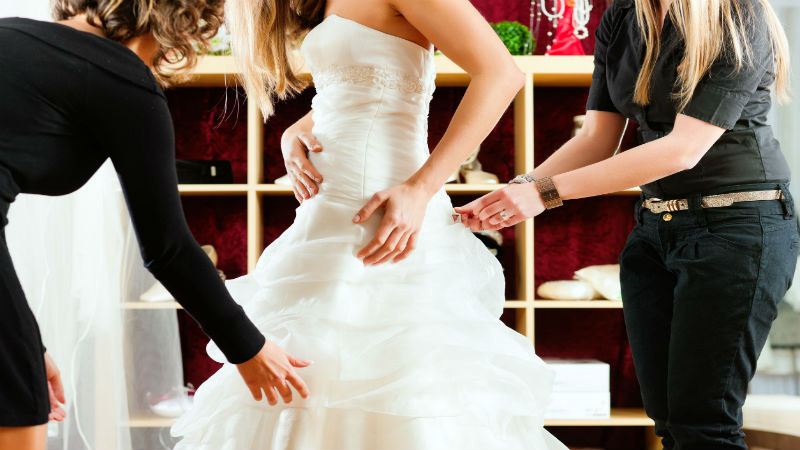
Clothing alteration in Washington improves fit and comfort by adjusting the cut, length, and shape of a garment to match an individual’s measurements rather than forcing the body to conform to standard retail sizing. This process addresses the most common complaints people have about off-the-rack clothing: sleeves that run long, waistbands that pull, or hems that drag. Clothing alteration in Washington, DC typically covers a range of adjustments, from simple hemming to more detailed work like taking in seams or replacing zippers.
Why Fit Affects Comfort and Wear
A garment that fits poorly rarely gets worn often, even if the fabric and style are otherwise appealing. Research on clothing behavior found that fit is a primary reason clothing stops being worn, ahead of damage or changing trends, according to a report on clothing alterations and fashion waste.
Several mechanical and comfort issues trace back to improper fit:
- Shoulders that pull across the back restrict arm movement.
- Waistbands sitting too high or low cause constant readjustment.
- Sleeve or hem length that is off balance changes how a garment drapes.
- Excess fabric around the torso bunches under layers or coats.
Each of these problems can usually be corrected without replacing the item, provided a tailor has enough seam allowance to work with.
Common Alteration Services for Everyday and Formal Wear
Tailoring shops in the Washington, DC area typically offer a mix of structural and cosmetic adjustments. Based on services listed by area tailoring providers, common offerings include:
- Hemming: shortening or lengthening pants, skirts, or dresses.
- Seam adjustments: taking in or letting out the waist, bust, or hips.
- Sleeve and shoulder work: resizing jacket or shirt sleeves for a cleaner line.
- Zipper replacement and garment repair: fixing hardware or minor damage.
- Suit and formalwear tailoring: fitting jackets, trousers, and tuxedos for events like weddings.
| Alteration Type | Typical Use Case | Garment Examples |
| Hemming | Length correction | Pants, skirts, dresses |
| Seam/Waist Adjustment | Body shape changes | Suits, dresses, blouses |
| Sleeve Resizing | Proportion correction | Jackets, shirts |
| Zipper/Repair | Hardware or damage fix | Dresses, coats, bags |
This range covers both routine wardrobe maintenance and preparation for events such as weddings or formal occasions, where a precise fit matters more.
Getting the Most Out of an Alteration Visit
A few practical steps help ensure alterations produce the intended result:
- Bring the shoes and undergarments you plan to wear with the garment, since they affect hem length and fit.
- Try the item on during the fitting rather than relying on measurements alone.
- Ask about turnaround time, since simple adjustments often take less time than detailed structural changes.
- Flag any areas of discomfort specifically, such as tightness across the shoulders or excess length in sleeves.
Garments with natural fibers and quality seams generally hold alterations better over time, which is one reason many tailors recommend repair and adjustment for higher-quality pieces rather than low-cost, disposable clothing. Textile waste remains a documented concern nationally, and the EPA’s data on textile waste shows that discarded clothing is the primary source of textiles entering municipal waste streams, which underscores why extending a garment’s usable life through alteration carries practical value beyond fit alone.
Frequently Asked Questions
What types of garments can typically be altered? Most woven and structured garments, including suits, dresses, trousers, and jackets, can be altered. Items with limited seam allowance or delicate fabrics may have more restricted adjustment options.
How long does a typical alteration take? Simple adjustments like hemming often take just a few days, while more complex work, such as resizing a formal gown or suit, may require additional fitting sessions.
Can alterations fix a garment that is too small or too large? Within limits, yes. Taking in or letting out seams can adjust fit in either direction, though the amount of available fabric in the seam allowance determines how much resizing is possible.
Is it better to buy a smaller size and alter it, or buy true to size? Many people buy for the largest measurement, such as shoulders or hips, and then have the rest tailored to fit, since taking fabric in is generally easier than adding it.
Clothing alteration in the Washington, DC area addresses a practical, recurring need: making existing garments fit the way they were meant to. Whether the task is a quick hem or a detailed adjustment for a formal event, working with an experienced tailor helps extend the life of a wardrobe while improving day-to-day comfort. Shops serving the DC area, including Elim Boutique & Tailoring, generally handle both everyday clothing and special-occasion pieces such as suits and formal dresses.

