Short version:
- SMC filters remove particulates, moisture, and oil from compressed air and hydraulic lines to protect pneumatic equipment.
- Filtration quality for compressed air systems is commonly measured against the international ISO 8573-1 standard.
- Replacement filter elements compatible with SMC equipment are available for routine maintenance and system upgrades across the USA.
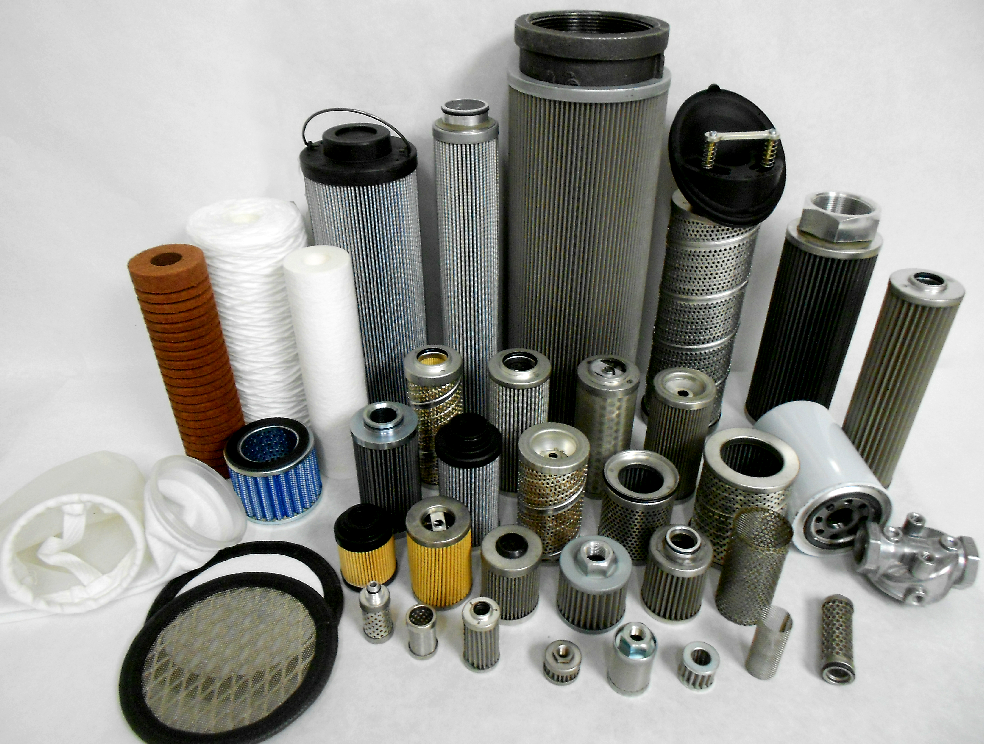
An SMC filter is a filtration component, originally built for SMC Corporation pneumatic and hydraulic equipment, that traps particles, water, and oil contamination before they reach sensitive machine parts. These filters sit in the air or fluid line and act as a barrier between incoming contamination and downstream valves, actuators, and cylinders.
The SMC Filter line covers elements designed to match original specifications for pneumatic and hydraulic equipment, including filtration ratings, flow rates, and housing dimensions. Matching these specifications closely is necessary because a filter that does not meet the original micron rating or flow capacity can allow contaminants through or restrict airflow enough to reduce system pressure.
What an SMC Filter Does Inside a System
Compressed air and hydraulic fluid pick up contamination from the surrounding environment, the compressor itself, and wear inside the piping. A filter element is positioned to intercept that contamination before it reaches precision components.
Typical jobs performed by a filter element include:
- Capturing solid particles such as pipe scale, rust, and dust before they reach valves and cylinders
- Reducing oil aerosol and vapor carryover from compressor lubrication
- Separating condensed water from the air or fluid stream
- Maintaining consistent flow and pressure by preventing clogging at the source
Each of these functions supports equipment that depends on clean air or fluid to function as designed, since even small amounts of debris can score seals or interfere with valve response.
Filtration Standards and Why Micron Ratings Matter
Compressed air purity in industrial settings is commonly benchmarked against the ISO 8573-1 standard, which classifies contamination levels for particles, water, and oil. According to ISO’s compressed air quality standard, purity classes define the maximum allowable levels of solids, moisture, and oil present in a compressed air stream.
| Factor | Why It Matters |
| Micron rating | Determines the smallest particle size the filter can capture |
| Flow rate capacity | Affects whether pressure drop stays within acceptable limits |
| Media material | Influences dirt-holding capacity and service life |
| Housing fit | Ensures a proper seal and prevents bypass contamination |
A filter element that falls short on any of these factors can let contamination pass or create unnecessary backpressure, both of which shorten the service life of downstream components.
Replacement Filters and Maintenance Considerations
Original equipment filters eventually need replacement as part of routine maintenance, and compatible replacement elements are manufactured to match OEM specifications rather than requiring a full assembly swap. Verifying cross-reference accuracy against the original part’s filtration rating, dimensions, and flow data is a standard step before substituting any element.
Facilities running pneumatic or hydraulic equipment across the USA typically schedule filter inspection and replacement on a fixed interval rather than waiting for a visible performance drop, since contamination buildup is not always apparent until pressure or output is affected. Keeping a documented replacement interval, paired with periodic verification against OEM specifications, helps avoid unplanned downtime tied to filtration failure.
Frequently Asked Questions
How often should an SMC filter element be replaced? Replacement intervals depend on operating conditions, contamination levels, and manufacturer guidance for the specific equipment, so checking pressure drop or following a scheduled maintenance plan is the more reliable approach than relying on a fixed calendar date alone.
Can a replacement filter element differ from the original brand and still work correctly? A replacement element can function correctly if it matches the original’s micron rating, dimensions, and flow specifications, which is why cross-reference verification against OEM data is a standard step before substitution.
What happens if a filter element is left in service too long? A clogged or saturated element can restrict flow, increase pressure drop, and allow contaminants to bypass the media, which raises the risk of damage to valves, cylinders, and other downstream components.
Business Information and Next Steps
Bulldog Fabricating Corporation is based in the USA and supplies replacement filter and strainer elements for industrial pneumatic and hydraulic equipment.
Published specifications for Bulldog Fabricating Corporation cover cross-reference details for common filtration components used in industrial systems.