Key point:
• A gutter installer fits custom-sized channels and downspouts that route roof runoff away from siding, foundations, and landscaping.
• Seamless aluminum or copper systems reduce leak points compared to sectional gutters joined with seams.
• Old Saybrook’s coastal rain patterns and older housing stock make correctly sloped, properly sized gutters a practical safeguard against water intrusion.
A gutter installer measures a roofline, forms or selects gutter material, and sets the slope and downspout placement needed to carry rainwater away from a structure’s foundation and walls. The work matters because misdirected runoff is a documented contributor to basement moisture, fascia rot, and foundation settlement.
Homeowners searching for a Gutter Installer are typically comparing installation methods, materials, and local service availability before choosing a contractor. View Town & Country Seamless Gutters Site is one such provider, offering seamless gutter installation along with repair, replacement, and gutter guard services for residential and commercial properties in Connecticut.
What a Gutter Installer Actually Does
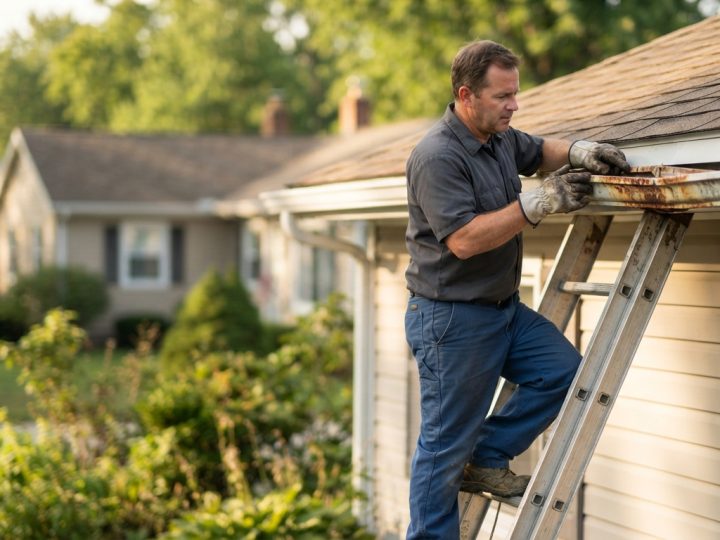
Installing a gutter system involves more steps than hanging a metal channel under a roofline. A qualified installer typically:
• Measures the roof perimeter and calculates downspout placement based on catchment area per outlet
• Confirms the drip edge is in place so water flows into the gutter trough rather than behind it
• Forms seamless gutters on site using a portable roll-forming machine, or installs sectional lengths with sealed joints
• Sets hanger brackets at specified intervals through the fascia into structural framing
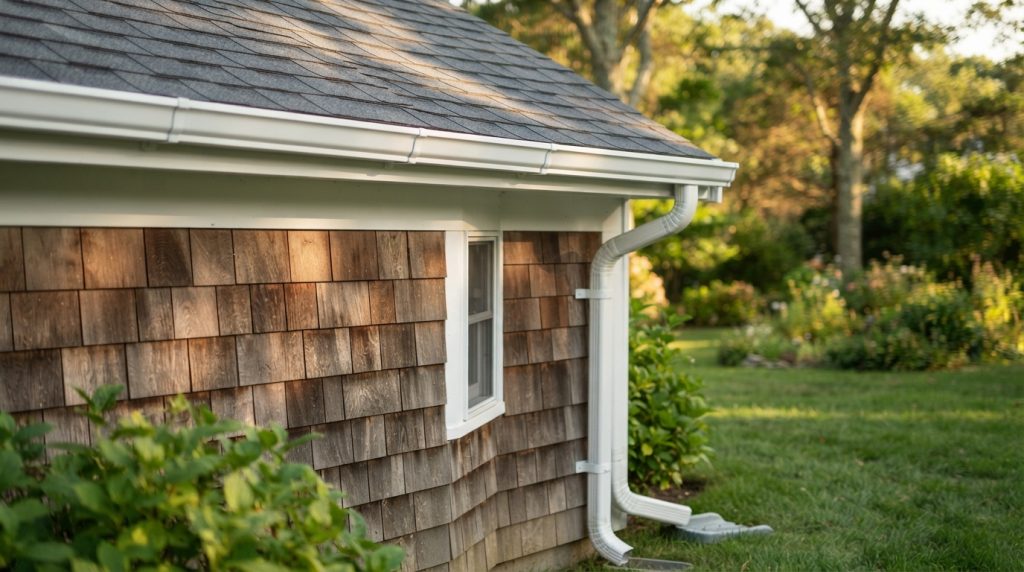
• Installs downspouts with elbows and straps, directing discharge away from the foundation
Industry guidance from the DOE Building America Solution Center notes that downspouts should carry water to a sloping grade at least 5 feet from the foundation, or to an underground catchment system at least 10 feet away, to prevent soil saturation near foundation walls.
Seamless Gutters Versus Sectional Systems
Material and construction method affect how a gutter performs over time. The table below outlines the practical differences.
|
Factor |
Seamless Gutters |
Sectional Gutters |
|
Leak points |
Fewer, since lengths are formed on site |
More, due to joined seams |
|
Fit |
Custom-cut to the home’s exact dimensions |
Pre-cut lengths assembled on site |
|
Maintenance |
Generally lower long-term upkeep |
More frequent seam inspection needed |
|
Common materials |
Aluminum, copper |
Aluminum, vinyl |
Seamless systems are formed to length at the property, which reduces the number of joints where leaks commonly develop. Copper and aluminum are the materials most often associated with seamless installations, while sectional systems rely on slip connectors and sealant at each joint.
Why Installation Quality Matters in Old Saybrook
Old Saybrook’s shoreline location exposes homes to coastal storms, heavy seasonal rainfall, and winter snowmelt, all of which place added demand on roof drainage. Housing stock in the area ranges from older coastal cottages to newer construction, and each roofline presents different slope and downspout requirements. A system sloped incorrectly, or sized too small for the roof area it serves, can overflow during heavy rain rather than channeling water safely to grade.
Based in Durham, CT, View Town & Country Seamless Gutters serves customers across Old Saybrook, among other Connecticut communities. Local drainage conditions, including sloped lots and proximity to the shoreline, factor into how a gutter system should be configured for a given property.
Frequently Asked Questions
How is a seamless gutter different from a standard gutter? Seamless gutters are formed to the exact length of a roofline on site, which eliminates the multiple joints found in sectional systems and reduces potential leak points.
Why does downspout placement matter? Downspouts positioned too close to a foundation can allow water to pool and saturate soil, which over time contributes to settlement or basement moisture issues.
Can gutters help with older homes? Yes. Properly fitted gutters direct runoff away from siding and foundations regardless of a home’s age, though older rooflines may need custom measurements to fit non-standard dimensions.
What materials are commonly used for gutter installation? Aluminum and copper are the materials most frequently used in seamless gutter installation, chosen for durability and resistance to corrosion.
Business Info
Gutter installation services referenced in this article, including seamless gutter systems and related repair work, are offered by View Town & Country Seamless Gutters, a business based in Durham, CT.
A Note on Gutter Installation Decisions
Choosing between gutter materials, installation methods, and service providers depends on a property’s roofline, local rainfall patterns, and existing drainage conditions. Published information about View Town & Country Seamless Gutters Site outlines the service area and installation options available to homeowners weighing these factors.