Key takeaway:
- A qualified residential roofing contractor should carry proper licensing, insurance, and a verifiable local track record.
- Written estimates, clear warranties, and documented project supervision separate reliable contractors from risky hires.
- Homeowners in San Francisco, CA benefit from checking licensing boards, references, and material specifications before signing a contract.
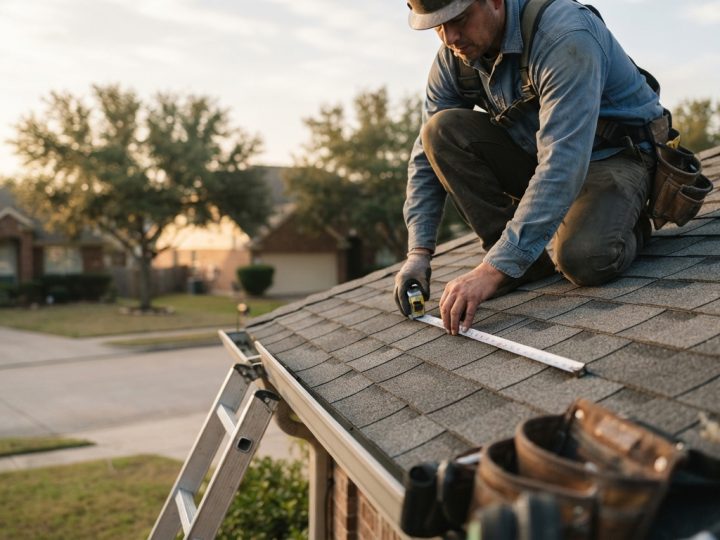
Hiring the right professional starts with verifying licensing, insurance, and a documented history of completed residential projects before any contract is signed. Homeowners who want to Find Residential Roofing Contractor San Francisco CA should treat the search as a vetting process, not a single phone call, since roof quality depends heavily on who installs it and how the work is supervised.
Roofing decisions carry long-term consequences because installation quality affects how long a roof performs, regardless of the materials chosen. A contractor’s experience with tile, shingle, and sheet metal systems, along with how clearly they document a project, often matters as much as the brand of material installed.
Licensing, Insurance, and Local Presence
A legitimate residential roofing contractor should operate from a permanent business address and be reachable through a working phone number and business license where required. According to the National Roofing Contractors Association, homeowners should confirm a contractor has a permanent place of business, a phone number, and a tax identification number before moving forward. The same guidance recommends requesting copies of liability insurance and workers’ compensation certificates, and verifying that coverage remains active for the full duration of the project.
Checking these fundamentals protects homeowners from liability if an accident happens on the property during the job. A contractor’s standing with a local Better Business Bureau chapter can also reveal unresolved complaints or patterns worth asking about directly.
Track Record and Material Expertise
Experience with the specific roofing systems common in a region is a practical sign of competence. In San Francisco, CA, older homes frequently use materials such as tile, slate, composition shingle, or built-up roofing, so a contractor’s familiarity with these systems is a reasonable screening question.
- Ask for a list of completed residential projects and contact information for past clients.
- Request details on how the contractor supervises crews and manages quality control during installation.
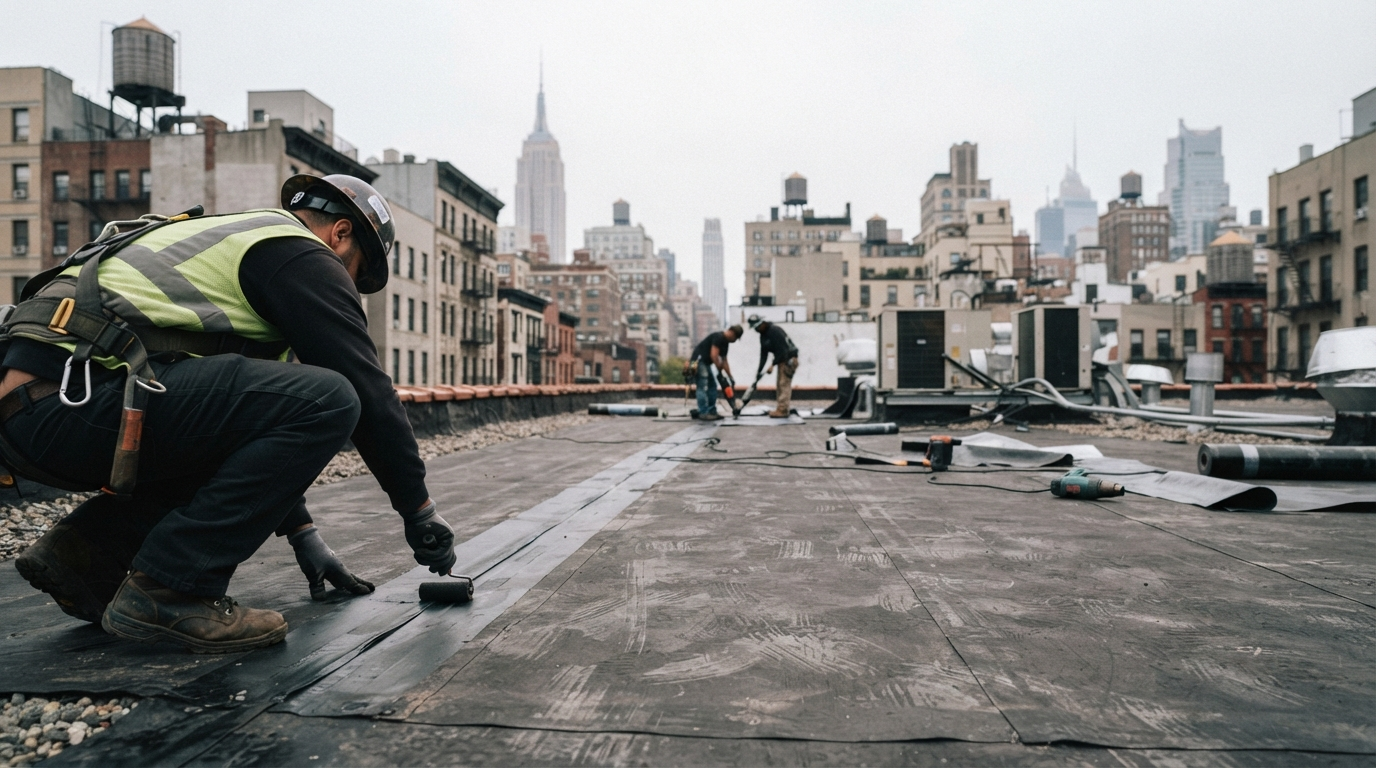
- Confirm whether the contractor works with built-up roofing, modified bitumen, metal systems, or shingle installations, depending on the home’s roof type.
- Ask whether repairs, maintenance programs, or roof inspections are available as follow-up services after installation.
A contractor who answers these questions directly, without vague reassurances, is generally easier to hold accountable later.
Written Proposals and Warranty Terms
A written proposal should outline the scope of work, materials, start and completion dates, and payment terms before any work begins. The same prequalification guidance notes that a written proposal should include complete descriptions of the work and specifications, along with approximate start and completion dates and payment procedures.
| Evaluation Factor | What to Verify | Why It Matters |
|---|---|---|
| Licensing and Insurance | Active license, liability coverage, workers’ comp | Protects homeowner from liability during the project |
| Written Proposal | Scope, materials, timeline, payment schedule | Prevents disputes over work completed |
| Warranty Terms | Workmanship warranty vs. manufacturer material warranty | Clarifies who is responsible if problems appear later |
| References | Past residential clients, completed project list | Confirms real-world performance on similar homes |
Warranty language deserves particular attention, since workmanship warranties and manufacturer material warranties cover different things. Reading the fine print for provisions that could void coverage helps avoid disputes if a leak or material defect appears after installation.
Frequently Asked Questions
What should a homeowner ask before hiring a roofing contractor? Homeowners should ask about licensing status, insurance coverage, past project references, and the specifics of any warranty offered before signing a contract.
Why does local experience matter for a roof in San Francisco, CA? Local climate conditions and common building materials in San Francisco, CA, such as tile, slate, and shingle roofing, make familiarity with regional roofing systems a practical factor in contractor selection.
Is price the most important factor when comparing roofing contractors? Price is only one of several criteria to weigh, since the quality of installation, licensing status, and warranty terms directly affect how long a roof performs.
What documentation should a contractor provide before starting work? A written proposal describing the scope of work, materials, timeline, and payment schedule should be provided before any roofing project begins.
Business Information and Availability
Anderson Roofing & Sheet Metal Company is a roofing business based in San Francisco, CA, serving the surrounding area.
Additional details about service availability and published business information for Visit Website are accessible for homeowners researching local roofing options.