In short:
• Forging aligns internal grain structure with a part’s shape, which increases fatigue resistance and load-bearing strength compared to cast or machined parts.
• Closed die, open die, and impression die forging methods each suit different part geometries and production volumes.
• Forged components are used across aerospace, energy, defense, agriculture, and other sectors in the USA where part failure carries high risk.
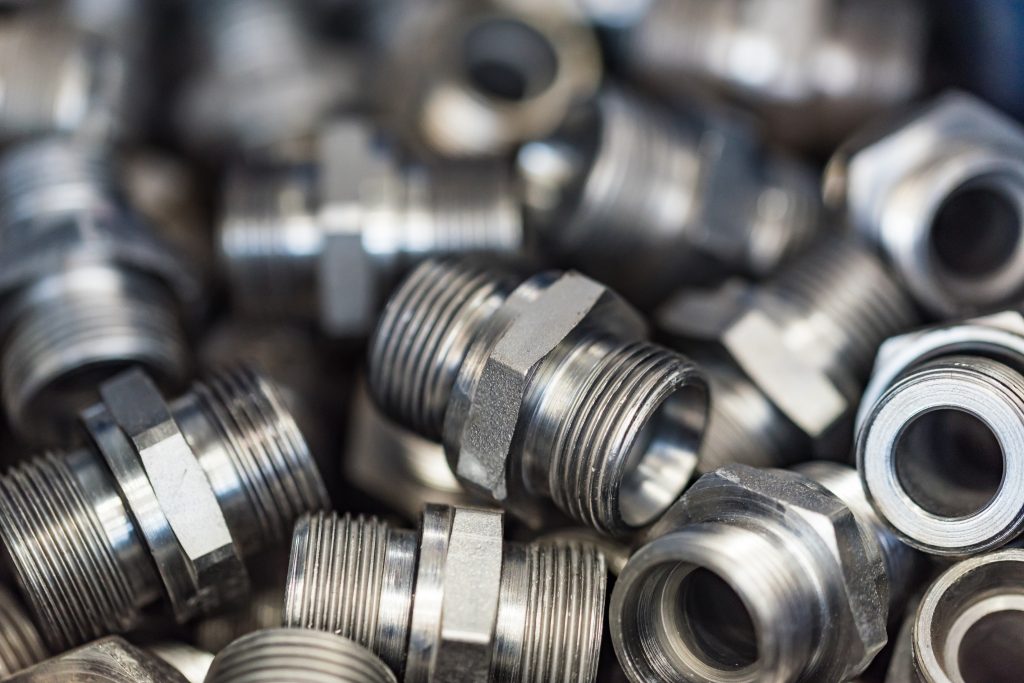
Forged components offer several advantages over cast or machined parts because the forging process compresses and aligns the metal’s internal grain structure to follow the shape of the finished component. This creates a stronger, more consistent structure with fewer internal voids and improved resistance to mechanical stress. These characteristics make forging particularly valuable for parts exposed to repeated loading, heavy impacts, and demanding operating temperatures. Forged Components by Cornell Forge Co provide industrial manufacturers with durable metal components designed for demanding applications across industries where strength, reliability, and long-term performance are essential.
How Grain Flow Creates Structural Strength
Metal forging shapes material through compressive force, which pushes grain structure to follow the contour of the part instead of leaving it cut or randomly oriented. According to ASM International’s handbook on forging design, control of grain flow is one of the primary advantages of shaping metal through rolling, forging, or extrusion, and strength in wrought products is generally greatest along the direction of that grain flow.
• Cast parts often contain internal voids or inconsistent grain boundaries that act as stress concentrators.
• Machined parts cut across the original grain lines of bar stock, interrupting the metal’s natural strength path.
• Forged parts retain a continuous grain structure that curves around the part’s profile, improving fatigue resistance.
Manufacturers sourcing forged components for structural or load-bearing applications typically rely on this grain alignment to reduce the risk of cracking under repeated stress cycles.
Comparing Forging to Casting and Machining
Each manufacturing method produces different internal characteristics, and the right choice depends on the application’s load requirements, volume, and tolerance needs.
|
Method |
Grain Structure |
Typical Strength Profile |
Best Suited For |
|
Forging |
Continuous, aligned to part shape |
Highest fatigue and impact resistance |
High-stress, safety-critical parts |
|
Casting |
Random, may include porosity |
Lower fatigue resistance |
Complex shapes, lower-stress uses |
|
Machining from bar stock |
Cut across original grain lines |
Moderate, interrupted grain flow |
Precision dimensions, lower-volume runs |
This comparison is general and depends on alloy, part geometry, and finishing steps such as heat treatment, which can further influence final mechanical properties.
Forging Processes and Material Choices
Different forging methods are selected based on part complexity, volume, and the mechanical demands of the end use.
• Closed die (impression die) forging uses shaped dies to produce complex, high-strength parts in repeatable volumes.
• Open die forging shapes larger or simpler forms without fully enclosing the metal in a die cavity.
• Microalloy and stainless steel forging support applications needing specific corrosion resistance or strength-to-weight characteristics.
Material selection also affects the final result. Alloys such as carbon steel, alloy steel, stainless steel, and microalloy steel are commonly forged to resist wear, abrasion, fatigue, corrosion, and continual use across demanding environments.
Where Forged Strength Matters Most
Industries that cannot tolerate part failure tend to rely most heavily on forged components. Forged parts are commonly used across aerospace, automotive, energy, defense, industrial machinery, and oil and gas sectors because these applications require robust, reliable metal components capable of consistent performance under rigorous operating conditions. Within the USA, manufacturers in agriculture, off-highway equipment, rail, and construction also depend on forged parts for the same reasons, since machinery in these sectors is routinely exposed to heavy loads, vibration, and harsh outdoor conditions.
Cornell Forge Co, is one example of a forging operation supplying these sectors, producing parts from materials such as carbon steel, alloy steel, and stainless steel.
Frequently Asked Questions
1. Is forging always stronger than casting?
→ Forged parts generally show higher fatigue resistance and fewer internal voids than cast parts of the same alloy, mainly because forging aligns grain flow rather than leaving it random.
2. Which metals can be forged?
→ Common forgeable metals include carbon steel, alloy steel, stainless steel, and microalloy steel, each selected based on the part’s required strength, corrosion resistance, and operating environment.
3. Do all forged parts use the same process?
→ No. Closed die, open die, and impression die forging are suited to different part shapes, tolerances, and production volumes, and the right method depends on the specific application.
4. Why do industries in the USA rely on forged parts for critical equipment?
→ Sectors such as aerospace, defense, energy, and agriculture require components that can withstand repeated stress and harsh conditions, which is why forged parts are favored over cast or machined alternatives in many of these applications.
Forged components remain a practical choice for engineers and procurement teams comparing manufacturing methods for load-bearing or safety-critical parts. For additional information about forging operations and service areas, find Cornell Forge Co on Google Maps.