The gist:
• Gym types range from big-box chains to strength-focused studios, each suited to different goals and experience levels.
• Beginners generally benefit from facilities offering guided instruction, while advanced exercisers often prefer strength or performance-focused spaces.
• Recovery and mobility support, including physical therapy or guided training, can complement gym-based workouts for people returning from injury.
Choosing among the gyms in Downingtown PA area depends largely on fitness experience, specific goals, and whether a person needs structured guidance or prefers independent training. Full-service health clubs tend to suit beginners and intermediate exercisers who want variety, while strength-focused gyms and small-group training studios often attract those with more defined performance goals. Matching gym type to fitness level and goals makes it easier to stay consistent and avoid injury.
Matching Gym Type to Fitness Level
Fitness facilities are not interchangeable, and the right environment depends on current ability, experience, and comfort with equipment.
• New or returning exercisers : Facilities with orientation sessions, machine-based equipment, and staff support reduce the learning curve.
• Intermediate exercisers : Gyms with free weights, group classes, and varied cardio equipment allow for progression without overwhelming complexity.
• Advanced or performance-focused exercisers : Strength-specific gyms, small group training studios, or sport-specific programs support higher-intensity goals.
Adults generally need at least 150 minutes of moderate-intensity aerobic activity weekly along with muscle-strengthening activity on two or more days, according to CDC physical activity guidelines. This baseline applies across gym types, meaning the facility matters less than consistent access to both cardio and strength training options.
Common Gym Formats and What They Offer
Different gym formats serve different training preferences and comfort levels. A quick comparison highlights the main differences.
| Gym Type | Best For | Typical Features |
| Big-box health club | Beginners, variety seekers | Cardio machines, free weights, group classes |
| Strength/CrossFit-style gym | Intermediate to advanced | Barbells, timed workouts, coached sessions |
| Small group training studio | Accountability-focused exercisers | Limited class sizes, personalized coaching |
| Specialty/recovery-focused facility | Injury recovery, mobility work | Guided movement, individualized programming |
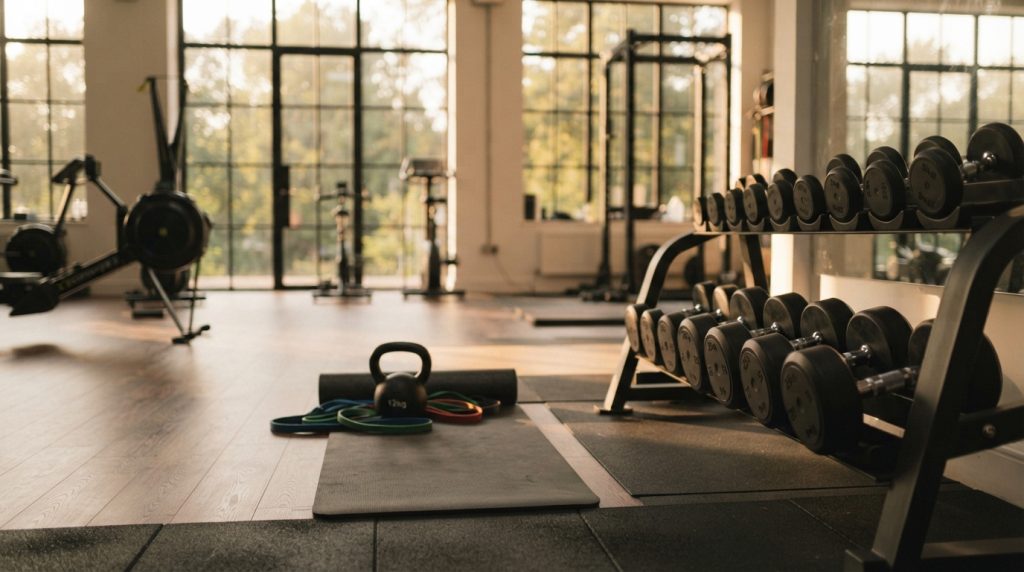
Facilities in the Downingtown, PA area reflect this range, from large chain gyms with extensive equipment to smaller studios built around coached, small-group formats.
When Training Support Overlaps With Recovery
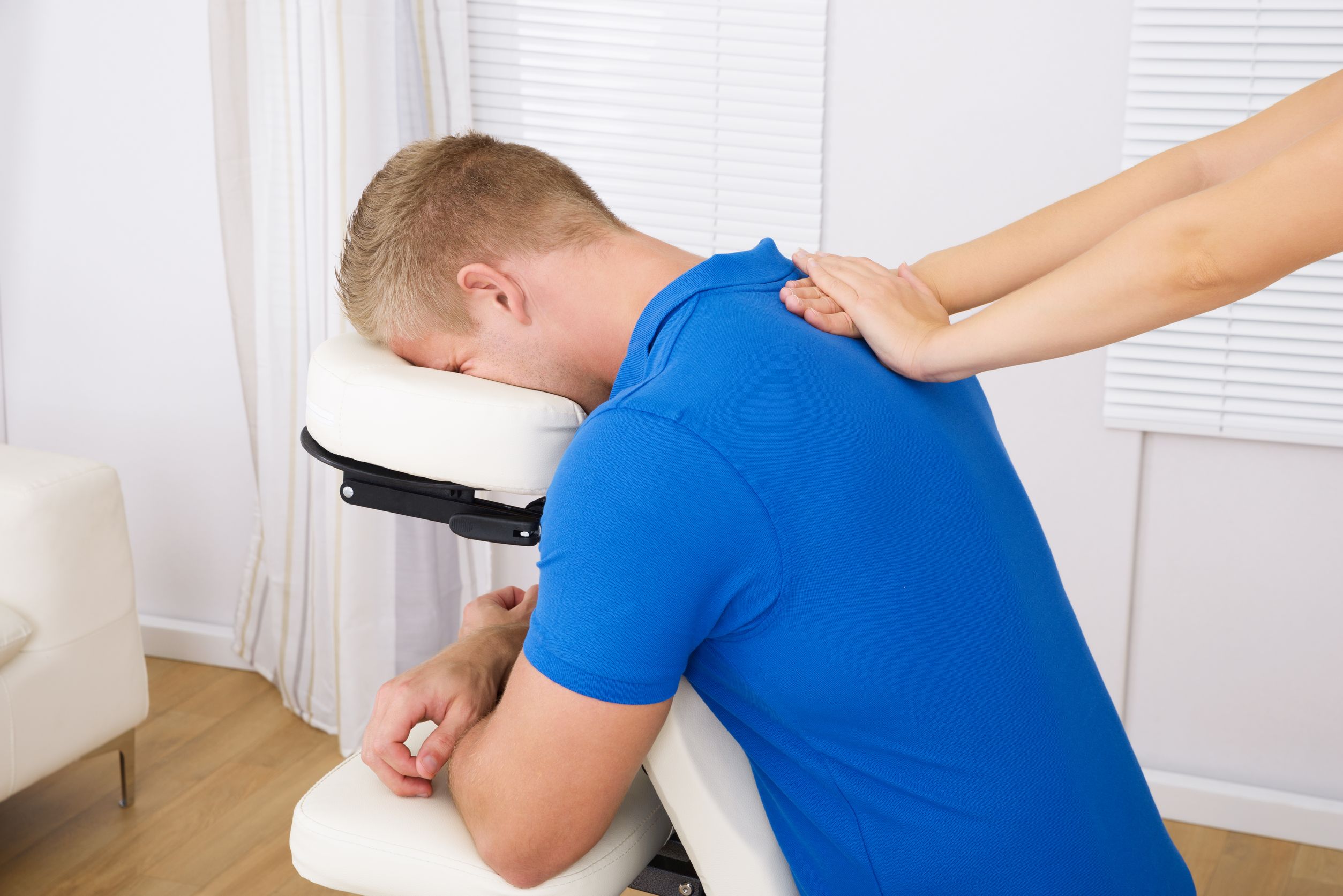
Some exercisers need more than equipment access, particularly when returning from an injury, managing a chronic condition, or adjusting a program after a medical issue. In these cases, guided training that accounts for movement limitations can be more useful than a standard gym membership alone.
• Personalized exercise plans that factor in prior injuries or mobility restrictions
• Small group formats that allow closer attention to form and progression
• Programming that adjusts intensity based on current physical capacity rather than a fixed routine
This kind of individualized approach is common in settings that combine fitness training with clinical oversight, rather than relying solely on self-directed gym use.
Practical Steps for Choosing a Gym
A short checklist can simplify the decision process for most exercisers.
1. Identify the primary goal: general health, strength, weight management, or injury recovery.
2. Visit during a typical workout time to assess crowding and equipment availability.
3. Ask about trainer qualifications if coaching or personal training is a priority.
4. Confirm whether the facility accommodates modified programming for past injuries or physical limitations.
Based in the USA, the facility serves clients across Downingtown, PA, offering personal training and small group training alongside physical therapy services, according to information published on its location listing.
Frequently Asked Questions
What type of gym is best for a complete beginner? Facilities with staff-guided orientations, machine-based equipment, and beginner-friendly group classes tend to reduce intimidation and support safer progression for new exercisers.
How many days a week should a beginner train? Following general aerobic and muscle-strengthening recommendations, most adults benefit from spreading activity across several days rather than concentrating it into one or two intense sessions, per CDC guidance on adult activity.
Can someone recovering from an injury use a regular gym? It depends on the injury and recovery stage; many people benefit from guided or small-group training that accounts for movement restrictions before returning to unsupervised gym use.
Is a small group training studio better than a large gym? Neither format is universally better; small group studios offer closer coaching and accountability, while larger gyms typically provide more equipment variety and flexible scheduling.
A Note on Local Options
Fitness needs change over time, and the facilities that fit a beginner’s routine may not match the demands of a more advanced training phase. Reassessing gym type periodically, alongside any physical limitations or recovery needs, helps keep a workout routine both effective and sustainable.
Published details for Kinetic Physical Therapy Downingtown include information on training and physical therapy services available in the area.