Peripheral neuropathy can change the way your feet detect pain and temperature. In a climate such as Phoenix, that loss of sensation deserves particular attention because a person may not receive the usual warning that a surface or other source of heat is too hot.
The concern is not simply that Phoenix gets hot. It is the combination of environmental heat and reduced sensation that can make it harder to recognize a problem promptly. Understanding that connection can help you make foot protection a deliberate part of your routine.
Why Reduced Sensation Changes the Heat-Safety Equation
Peripheral neuropathy involves nerve damage, and symptoms vary from person to person. Some people experience burning, tingling, numbness, pain, or weakness. Importantly for heat safety, neuropathy can also interfere with the ability to sense temperature.
The National Library of Medicine’s MedlinePlus explains that nerve damage can result in a decreased ability to feel pain, pressure, and extremes of temperature. That reduced warning system is the central reason heat exposure matters for feet affected by neuropathy.
Normally, uncomfortable heat gives you a reason to move your foot, put on shoes, change the water temperature, or otherwise stop the exposure. When temperature sensation is impaired, relying on discomfort alone may not provide the same protection.
That distinction is important because neuropathy does not necessarily mean a complete absence of feeling. Changes in sensation can take different forms, so being able to feel something with your feet does not by itself establish that you can accurately judge temperature.
Phoenix Heat Makes the Issue Locally Relevant
Phoenix provides a meaningful setting for this concern because substantial heat is not limited to a brief part of summer.
National Weather Service Phoenix records show that October 2024 had an average temperature of 84.5°F, ranking first among the warmest Octobers in the agency’s displayed record. That historical example illustrates how significant warmth can extend well into fall rather than disappearing as soon as the traditional summer months end.
For someone with impaired temperature sensation, that means foot-safety habits should not be based solely on the season shown on the calendar. Hot pavement and other heat sources deserve attention whenever conditions make them a concern.
The National Institute of Diabetes and Digestive and Kidney Diseases (NIDDK) specifically advises people with diabetes-related nerve damage to wear shoes on hot pavement and at the beach because they may burn their feet without knowing it.
Everyday Heat Exposures That Are Easy to Overlook
Some heat hazards are obvious. Others are ordinary parts of daily life, which can make them easier to underestimate when your feet do not provide reliable temperature feedback.
Outdoor surfaces are one example. NIDDK recommends wearing shoes on hot pavement rather than walking barefoot when nerve damage has affected the feet. Protective footwear provides a barrier between your skin and a potentially hot surface.
Hot water also requires attention. NIDDK’s foot-care guidance for people with diabetes recommends washing the feet in warm rather than hot water and checking the temperature instead of assuming that the feet will accurately detect excessive heat. Its guidance suggests using a thermometer or an elbow to test the water.
Direct sources of heat can create a similar problem. NIDDK advises people with diabetes-related nerve damage to keep their feet away from heaters and open fires and not to place heating pads or hot-water bottles on their feet.
These precautions share one principle: when sensation is unreliable, do not make your feet the only temperature-testing tool.
A Practical Heat-Safety Routine for Your Feet
A few deliberate habits can reduce your dependence on pain or temperature sensation as an early warning.
- Wear protective shoes rather than walking barefoot on hot pavement or other outdoor surfaces.
- Use warm, not hot, water when washing your feet, and test the temperature by another method if your sensation is reduced.
- Avoid applying heating pads, hot-water bottles, or similar direct heat sources to feet affected by nerve damage.
- Check your feet every day for cuts, sores, red areas, swelling, blisters, or other changes.
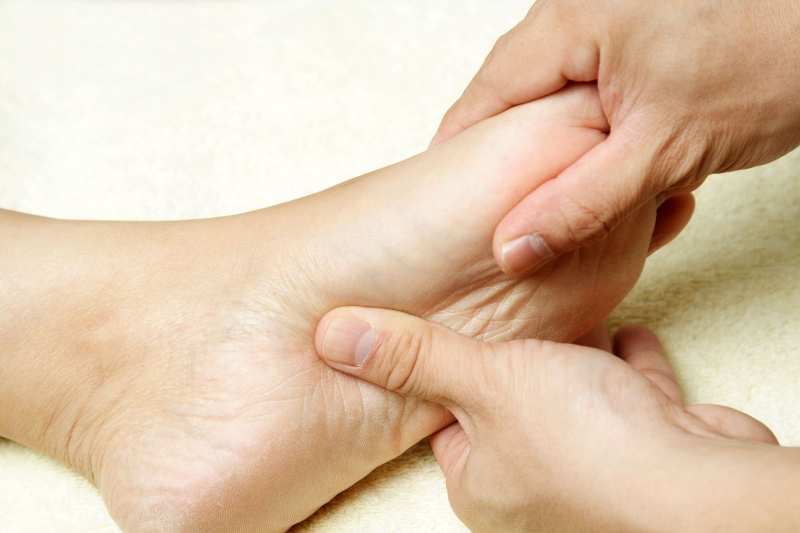
- Look at the bottoms of your feet as well as the tops and between the toes. If seeing the soles is difficult, NIDDK suggests using a mirror or asking someone else to help.
- Check inside shoes before putting them on for objects or irregularities that could injure the foot without producing a strong pain signal.
Daily visual inspection is particularly useful because neuropathy can make an injury less noticeable by sensation alone. NIDDK notes that people may have foot problems without feeling pain and recommends daily checks for people with diabetes.
These habits are not a substitute for medical evaluation. They are practical ways to compensate for a sensory warning system that may not be as dependable as it once was.
Why Foot Exams Matter When Temperature Sensation Has Changed
If you are unsure how much sensation you have lost, a professional evaluation can provide information that a home check cannot.
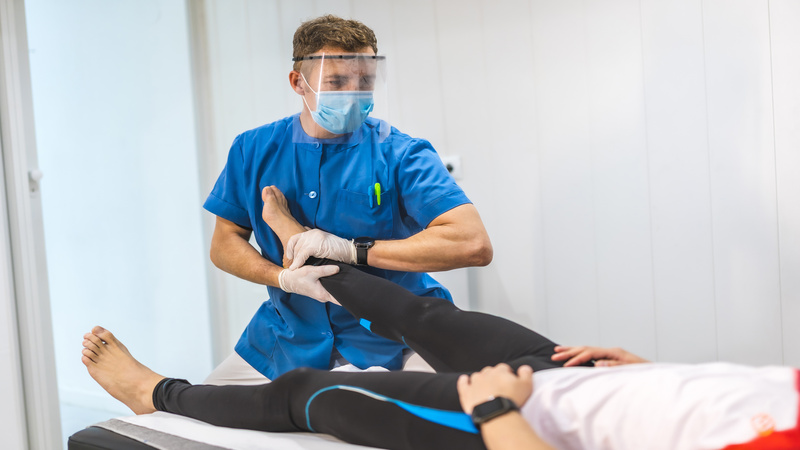
NIDDK explains that evaluation for peripheral neuropathy can include a neurological exam and a foot exam. A clinician may check sensation with a tuning fork or monofilament, assess walking and balance, and evaluate whether you can detect temperature changes.
That makes a Phoenix podiatry evaluation relevant when numbness, tingling, unusual burning sensations, or changes in temperature perception raise questions about your feet. Valley Foot Care, Inc. identifies neuropathy-related foot issues among the conditions its Phoenix podiatrists evaluate.
A neuropathy foot exam can also shift the conversation from a general warning such as “be careful with heat” to a discussion of your actual sensation and foot condition. The appropriate precautions and treatment depend on the individual findings and the cause of the neuropathy.
Do Not Depend on Pain to Tell You Something Is Wrong
Pain is useful information, but neuropathy can make pain an unreliable measure of whether an injury has occurred. A foot that does not hurt is not necessarily a foot that has avoided injury.
Visual changes therefore deserve attention. For people with diabetes, NIDDK recommends contacting a health care provider promptly about certain foot problems, including cuts, blisters, or bruises that do not begin healing after a few days and skin that becomes red, warm, or painful.
If you already know that you have reduced sensation, discuss with your clinician what changes should prompt an examination based on your health history and foot condition. If numbness or altered temperature sensation is new and has not been evaluated, a neuropathy specialist can assess the symptoms rather than leaving you to judge their significance based only on how much pain you feel.
Phoenix heat does not cause every foot problem associated with neuropathy. The specific safety concern is narrower: reduced pain or temperature sensation can make heat harder to detect, so protective footwear, alternative temperature checks, visual inspection, and appropriate professional evaluation become more important.
About Valley Foot Care, Inc.
Valley Foot Care, Inc. provides podiatric care in Phoenix, including evaluation of neuropathy-related foot concerns. For appointment information, call (602) 938-8400. Patients can also find location and directions information through the practice’s Google Business Profile.