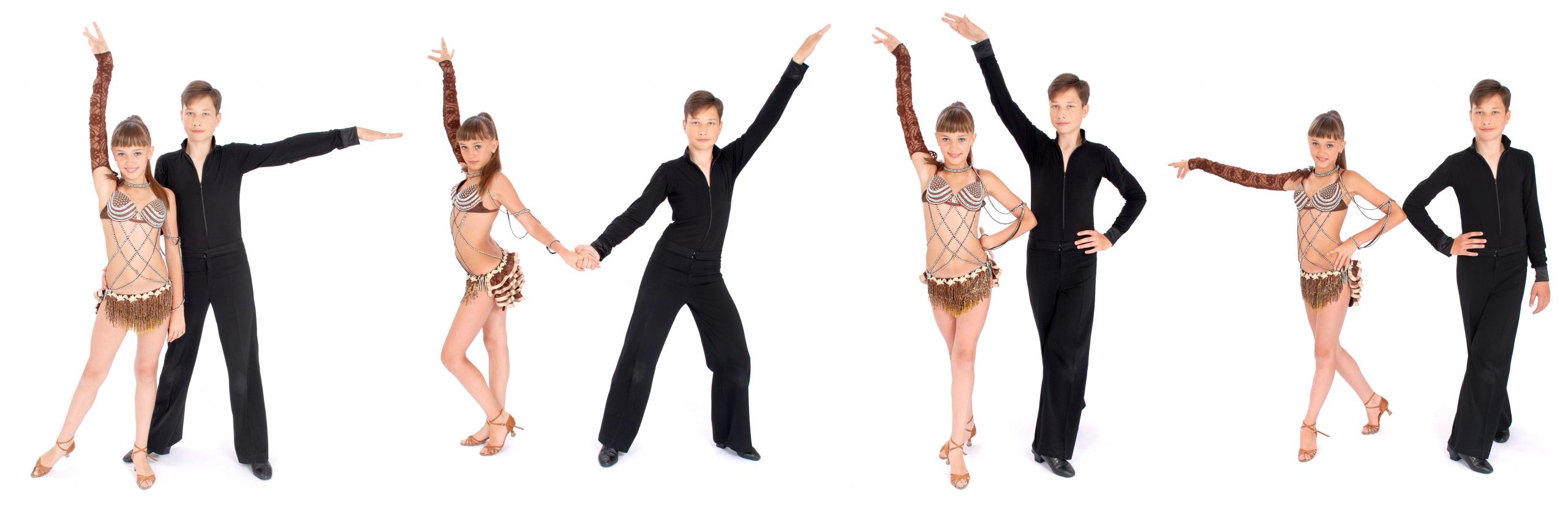
• Research published in 2025 links regular adult dance participation to measurable gains in physical self-esteem, mood, and reduced social physique anxiety.
• Group and private lesson formats let adults of any experience level build coordination, balance, and social connection without needing a partner.
• Falls Church, VA residents can access structured adult dance instruction through programs based in the USA that serve the wider region.
Adult dance classes build cardiovascular fitness, balance, and coordination while also supporting mood regulation and stress reduction, according to recent behavioral research. For adults in Falls Church, VA weighing a new physical activity, this combination of measurable health benefits and low barrier to entry explains why interest in Dance Classes For Adults Falls Church VA has remained steady even as fitness trends shift.
Unlike high-impact gym routines, dance instruction tends to accommodate a wide range of starting abilities, which is one reason researchers have studied it as an accessible intervention for adult wellbeing rather than a niche fitness activity.
What the Research Says About Dance and Adult Wellbeing
A 2025 systematic review in Frontiers in Psychology examined how dance affects adults across age groups and experience levels. The review found that dance positively affected social physique anxiety and physical self-esteem for groups that participated in dance compared to control groups. The review also noted a practical advantage over many other structured interventions: dance programs tend to have lower drop-out rates because of their accessibility and relatively low cost compared to other structured physical or psychological interventions.
A separate 2025 editorial summarizing 14 studies on dance and health outcomes reported similar findings. Dance can have profound psychological benefits, influencing mood regulation, stress reduction, and mental resilience. For a broader overview of how physical activity guidelines address structured movement like dance, the CDC’s physical activity recommendations provide additional context on weekly movement targets for adults.
Physical Benefits Adults Commonly Report
Regular dance practice engages multiple muscle groups and cardiovascular systems simultaneously, which separates it from single-focus workouts.
• Balance and coordination : Partnered and solo dance styles require constant weight-shifting and spatial awareness.
• Cardiovascular conditioning : Sustained movement over a class period raises heart rate similarly to other moderate-intensity activities.
• Flexibility and posture : Many dance styles emphasize frame, extension, and controlled movement that carries into daily posture habits.
Mental and Social Benefits Beyond the Studio Floor
Dance classes also create structured opportunities for social interaction, which researchers increasingly tie to measurable mental health outcomes. Studies emphasize dance’s ability to promote overall well-being by enhancing both physical and emotional health while also facilitating social interaction. A 2025 network meta-analysis focused on mental health outcomes reached a comparable conclusion: dance has positive effects on improving depression and anxiety whilst enhancing well-being among participants studied.
|
Benefit Category |
Typical Outcome Reported in Research |
Class Format Most Associated |
|
Physical self-esteem |
Improved, especially among female participants |
Group classes |
|
Mood and stress |
Reduced total mood disturbance |
Weekly structured sessions |
|
Balance and function |
Improved postural control |
Partnered or ballroom styles |
|
Social connection |
Increased through consistent group interaction |
Group and practice party settings |
Group Classes Versus Private Lessons
Adults choosing a dance program typically decide between group instruction and one-on-one coaching, and each format suits different goals.
1. Group classes suit adults who want a social, lower-cost entry point and enjoy learning alongside peers at a similar level.
2. Private lessons suit adults targeting a specific event, such as a wedding dance, or who prefer individualized pacing.
3. Practice parties offer a lower-pressure setting to apply skills learned in either format without formal instruction pressure.
Programs based in the USA that serve areas such as Falls Church, VA often combine these three formats so adults can move between them as confidence builds.
Frequently Asked Questions
Do I need a dance partner or prior experience to start? Most adult programs are designed so newcomers can join without a partner or background in dance, since group classes rotate partners and private lessons work one-on-one with an instructor.
How often should adults attend dance classes to notice benefits? Research reviewed in 2025 studies generally examined weekly or multiple-times-per-week sessions over periods of ten to twelve weeks, suggesting consistency matters more than intensity for measurable change.
Are dance classes appropriate for adults returning to exercise after a break? Dance is frequently studied as an accessible option for adults re-entering physical activity because instructors can adjust pacing, and many styles do not require high-impact movement.
What dance styles are typically taught in adult programs? Adult programs commonly include ballroom, Latin, and social dance styles, often taught through both group and private formats depending on the studio.
Business Info
Based in the USA, Fred Astaire Adult Dance Classes serves adults across Falls Church, VA through group lessons, private instruction, and practice party formats covering multiple dance styles.
A Note on Getting Started
Program details, including class formats and scheduling, are published for Fred Astaire Adult Dance Classes for adults considering structured dance instruction.