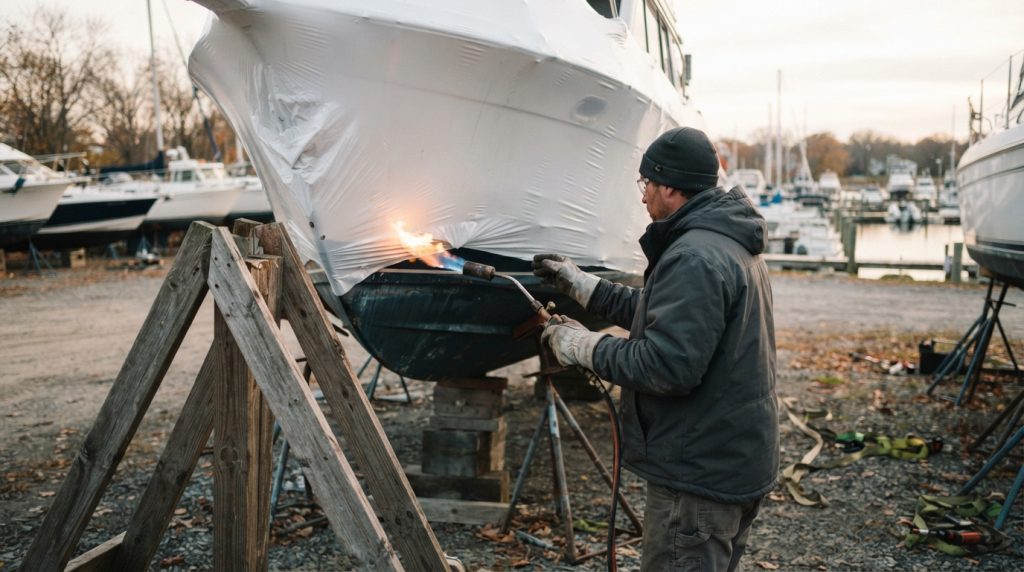
• Mobile shrink wrap involves a technician traveling to a job site to apply heat-sealed plastic film over large or stationary items, rather than requiring the item to be transported to a facility.
• It is commonly used for boat storage, construction containment, equipment protection, and disaster or storm damage covering on large-scale projects.
• The on-site method reduces handling risk and transport costs compared with offsite wrapping.
Large-scale projects involving boats, construction sites, or industrial equipment often need a protective barrier against moisture, debris, and weather without the logistical burden of moving the item itself. Mobile shrink wrap addresses this by bringing the wrapping process directly to the object, whether that is a yacht in dry storage, scaffolding around a building, or machinery staged outdoors. The technique uses industrial-grade polyethylene film that is heat-shrunk into a tight, weather-resistant seal once it is positioned and secured.
This approach matters most when the item in question is too large, too fragile, or too immobile to relocate safely. Marine operators, contractors, and property managers increasingly rely on this method because it eliminates the need for cranes, trailers, or specialized transport that moving a boat or heavy equipment to an offsite wrapping station would otherwise require.
How the On-Site Process Works
A mobile shrink wrap job typically follows a sequence that technicians repeat across different project types, adjusting only for scale and shape.
1. The site is assessed for access points, surrounding structures, and wind exposure.
2. Framing or strapping is installed if the item needs internal support to prevent the film from sagging or pooling water.
3. Film is wrapped around the structure or object and overlapped at seams.
4. Heat is applied with a propane torch to shrink the film tight against the frame, creating a sealed barrier.
Vents are often added at this stage to allow airflow and reduce condensation buildup underneath the film, which is a standard practice for boat and equipment covering.
Where Mobile Wrapping Fits Large-Scale Projects
Large-scale projects benefit from on-site wrapping in several distinct scenarios, each with different practical demands.
• Boat storage and winterization : Marinas and private docks use shrink wrap to protect hulls and decks from snow, ice, and debris during Illinois winters.
• Construction containment : Scaffolding and building exteriors can be wrapped to contain dust, control temperature during interior work, or protect unfinished surfaces from rain.
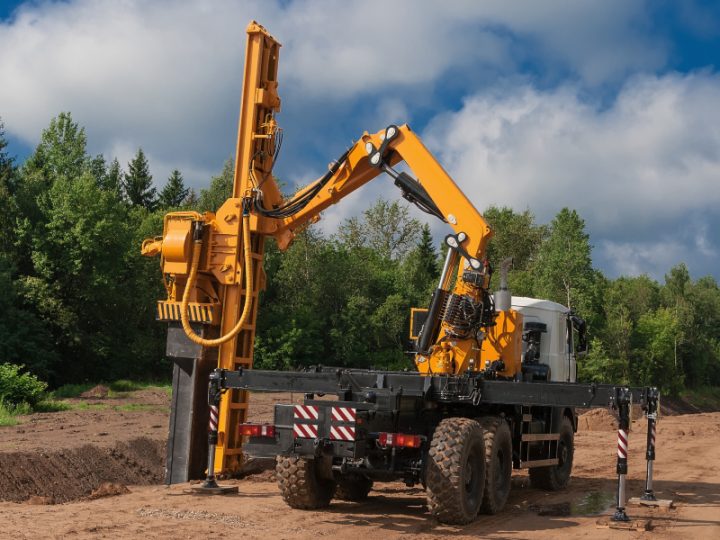
• Industrial equipment protection : Machinery staged outdoors or awaiting transport can be shielded from rust and weather damage without being moved indoors.
• Storm and disaster covering : Roofs or structures damaged by storms sometimes receive temporary shrink wrap covering as a stopgap before permanent repairs.
Illinois winters bring freeze-thaw cycles and heavy snow loads, conditions the National Weather Service tracks regionally, which makes moisture barriers particularly relevant for outdoor storage and construction sites across the state.
Mobile Wrapping Versus Offsite Alternatives
|
Factor |
Mobile (On-Site) Wrapping |
Offsite Wrapping |
|
Transport needed |
None for the wrapped item |
Required to move item to facility |
|
Suitable for oversized items |
Yes |
Limited by facility size and transport logistics |
|
Weather exposure during move |
Avoided |
Possible during transit |
|
Typical use case |
Boats, construction sites, heavy equipment |
Smaller items, retail packaging |
The main distinction is that mobile wrapping removes the transport step entirely, which lowers the risk of damage that can occur when large or heavy items are loaded, hauled, and unloaded.
Business Info
Based in McHenry, Illinois, Unlimited Shrinkwrap serves customers across Illinois, applying shrink wrap film on-site for projects that are impractical to relocate.
Frequently Asked Questions
Does mobile shrink wrap work in cold weather? Shrink wrap film can be applied in cold conditions, though technicians typically monitor wind and precipitation to ensure a proper seal before heat-shrinking the material.
How long does shrink wrap last once applied? Durability depends on film thickness and exposure conditions, with heavier-duty film generally holding up through a full winter season when properly vented and secured.
Can shrink wrap be used on irregularly shaped equipment? Framing and strapping can be adjusted to accommodate irregular shapes, allowing the film to shrink tightly around uneven surfaces without gaps.
Is mobile wrapping more expensive than offsite options? Costs vary by project size and site conditions, but avoiding transport fees and equipment rental for moving large items often offsets the on-site service fee.
Looking Ahead
Large-scale projects that depend on weather protection without the ability to relocate equipment or structures will likely continue favoring on-site wrapping methods. Current availability details for Unlimited Shrinkwrap are published for the local service area.