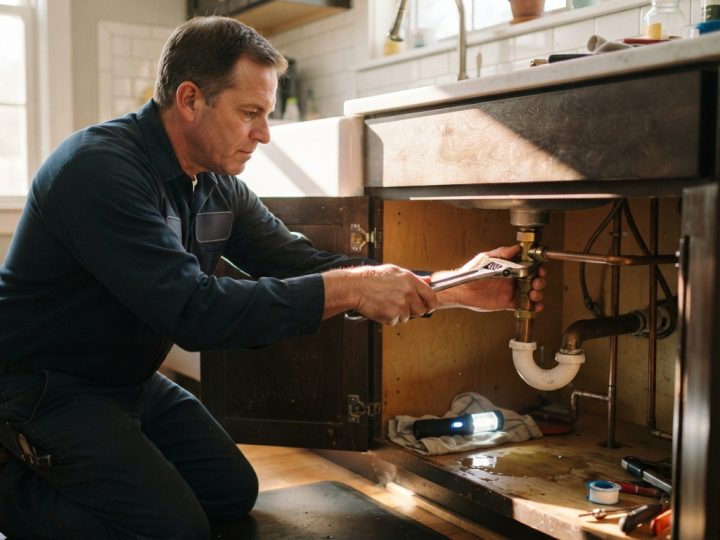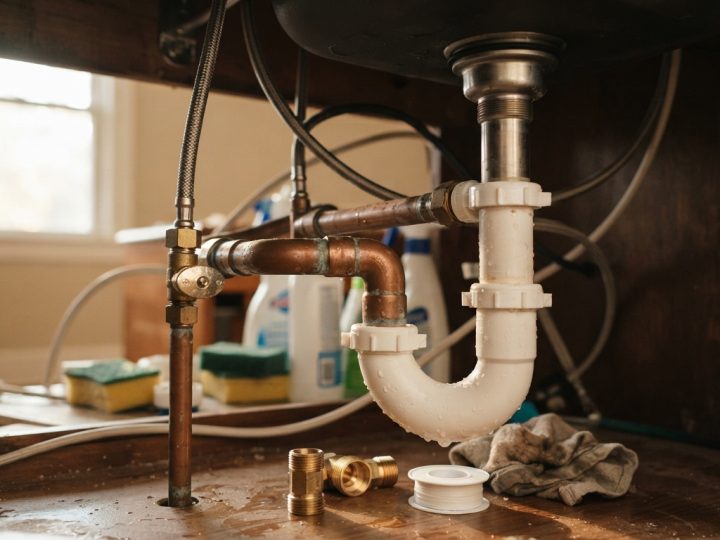
• A commercial plumbing service covers installation, repair, and maintenance of water, drainage, and gas piping systems in business properties.
• Commercial systems differ from residential ones in scale, code requirements, and the complexity of fixtures serving multiple users.
• Regular inspection schedules and prompt leak response reduce downtime risk for offices, retail spaces, and multi-tenant buildings.
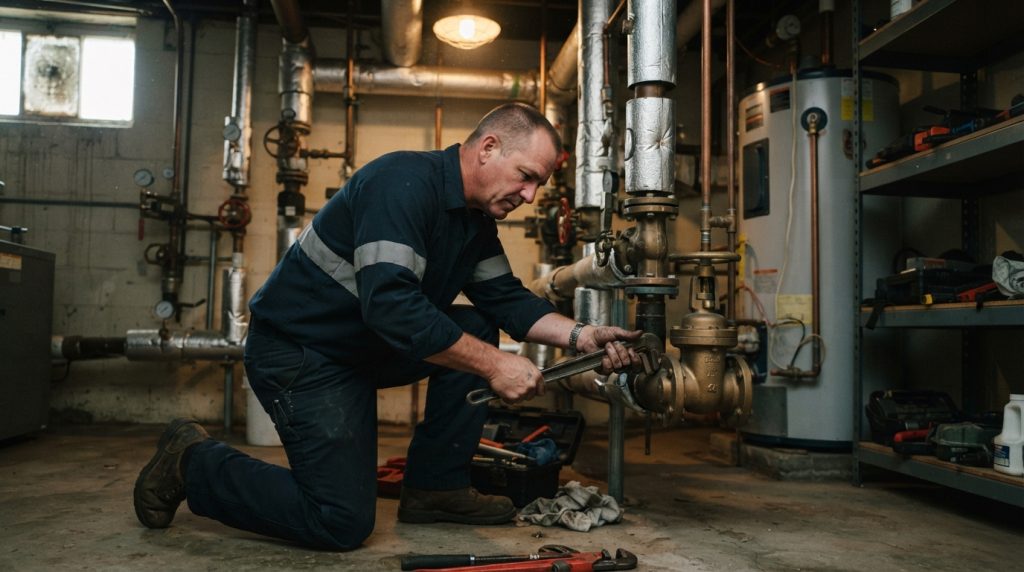
A commercial plumbing service addresses the installation, repair, and upkeep of water supply, drainage, and gas systems inside business properties, covering everything from restrooms and break rooms to larger mechanical rooms. These systems typically serve more fixtures and higher daily usage than a home, which changes how problems are diagnosed and resolved.
Commercial properties in University Park Dallas, TX often include office buildings, retail storefronts, and multi-tenant structures, each with plumbing systems built to handle continuous use throughout the workday. A Commercial Plumbing Service in this setting typically addresses backflow prevention, grease trap maintenance for food service tenants, and pipe systems rated for higher volume than standard residential lines. Property managers in the area often schedule inspections around lease turnovers or seasonal temperature swings that stress older piping.
What Separates Commercial Systems From Residential Plumbing
Commercial plumbing systems are built around volume, code compliance, and shared infrastructure rather than single-household use.
• Fixture count : A single floor may have multiple restrooms, kitchens, or utility sinks feeding into shared main lines.
• Code requirements : Commercial buildings are subject to inspection and permitting standards that differ from residential codes, often tied to occupancy type.
• Backflow prevention : Devices that stop contaminated water from re-entering the public supply are commonly required on commercial connections, a requirement outlined by the EPA in its drinking water protection guidance.
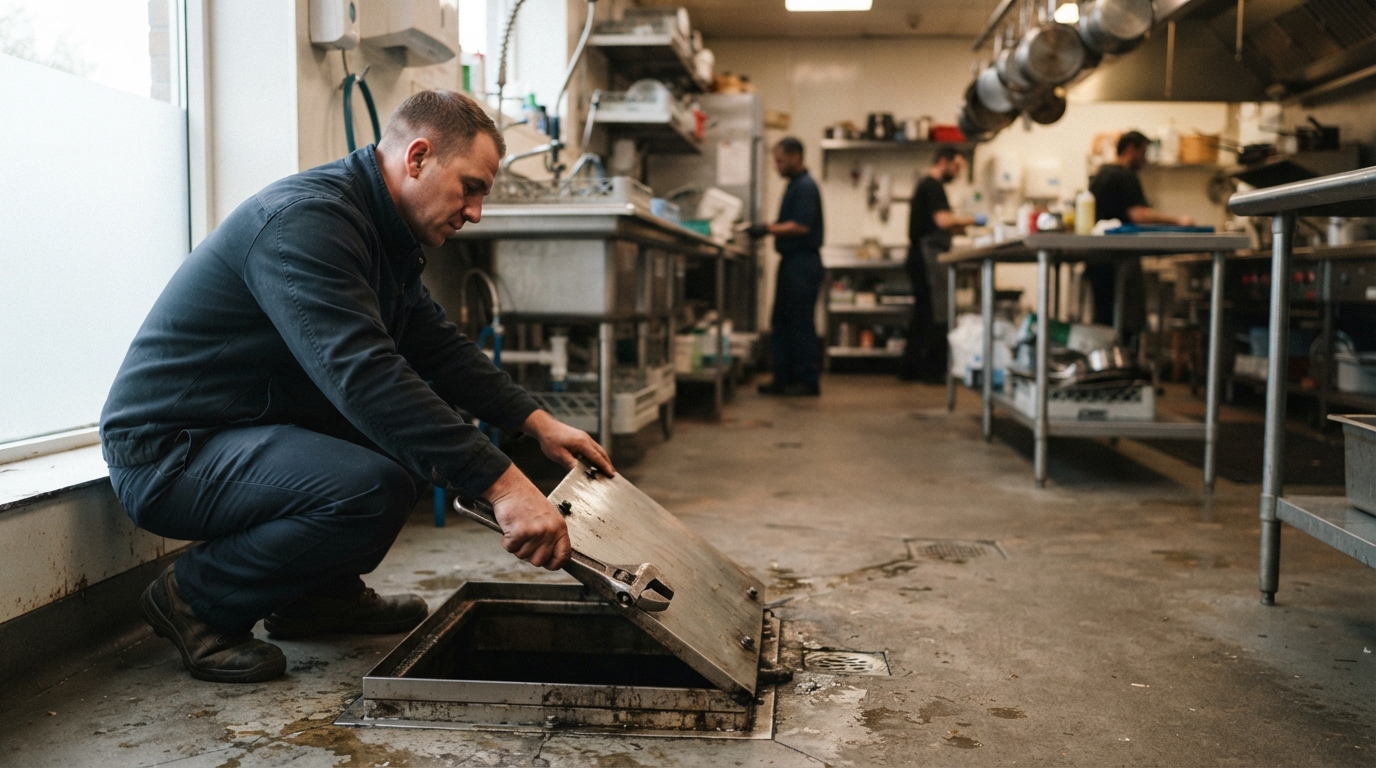
• Grease management : Restaurants and food service tenants typically need grease interceptors to prevent clogs and comply with wastewater discharge rules.
These distinctions mean a property manager cannot treat a commercial clog or leak the same way a homeowner might approach a single bathroom repair.
Common Issues Addressed in Commercial Settings
Several recurring problems account for most service calls in office and retail buildings.
1. Drain line blockages from high-traffic restrooms or kitchen areas.
2. Water heater failures affecting multiple units or floors at once.
3. Pipe corrosion or leaks in older buildings with aging supply lines.
4. Fixture wear on faucets, toilets, and valves subject to constant use.
5. Gas line inspections for properties with commercial kitchen equipment.
Addressing these issues early through scheduled maintenance tends to cost less than emergency repairs triggered by a full system failure.
Comparing Service Approaches for Commercial Properties
The table below outlines how maintenance frequency and scope typically differ by building type.
|
Property Type |
Typical Plumbing Focus |
Recommended Inspection Frequency |
|
Office building |
Restroom fixtures, water heaters |
Annually or at lease turnover |
|
Retail storefront |
Supply lines, drain maintenance |
Semi-annually |
|
Food service tenant |
Grease traps, gas lines |
Quarterly |
|
Multi-tenant complex |
Shared mains, backflow devices |
Annually, per local code |
Buildings with food service operations generally require more frequent attention because grease and food waste accelerate drain blockages compared to office or retail use.
Business Information and Service Area
Based in Rowlett, TX, Saving Grace Plumbing extends its work to properties across University Park Dallas, TX, supporting commercial clients without maintaining a physical office in that service area. Property managers evaluating plumbing providers typically confirm licensing status and service area coverage before scheduling work on shared building systems.
Frequently Asked Questions
How often should a commercial building schedule plumbing inspections? Most office and retail properties benefit from at least one annual inspection, while buildings with commercial kitchens often need quarterly checks due to grease and gas line concerns.
What is a backflow prevention device and why does it matter? It is a mechanical safeguard that stops contaminated water from flowing back into the public supply, a requirement commonly enforced on commercial connections under drinking water protection standards.
Can a single plumbing issue affect multiple tenants in a shared building? Yes, because commercial systems often share main lines and risers, a blockage or leak in one unit can disrupt water service or drainage for neighboring tenants.
What is the difference between emergency and routine commercial plumbing work? Routine work covers scheduled inspections and preventive maintenance, while emergency work addresses active leaks, backups, or failures that disrupt daily business operations.
Next Steps for Property Managers
Current availability details for Saving Grace Plumbing are published for the local service area.