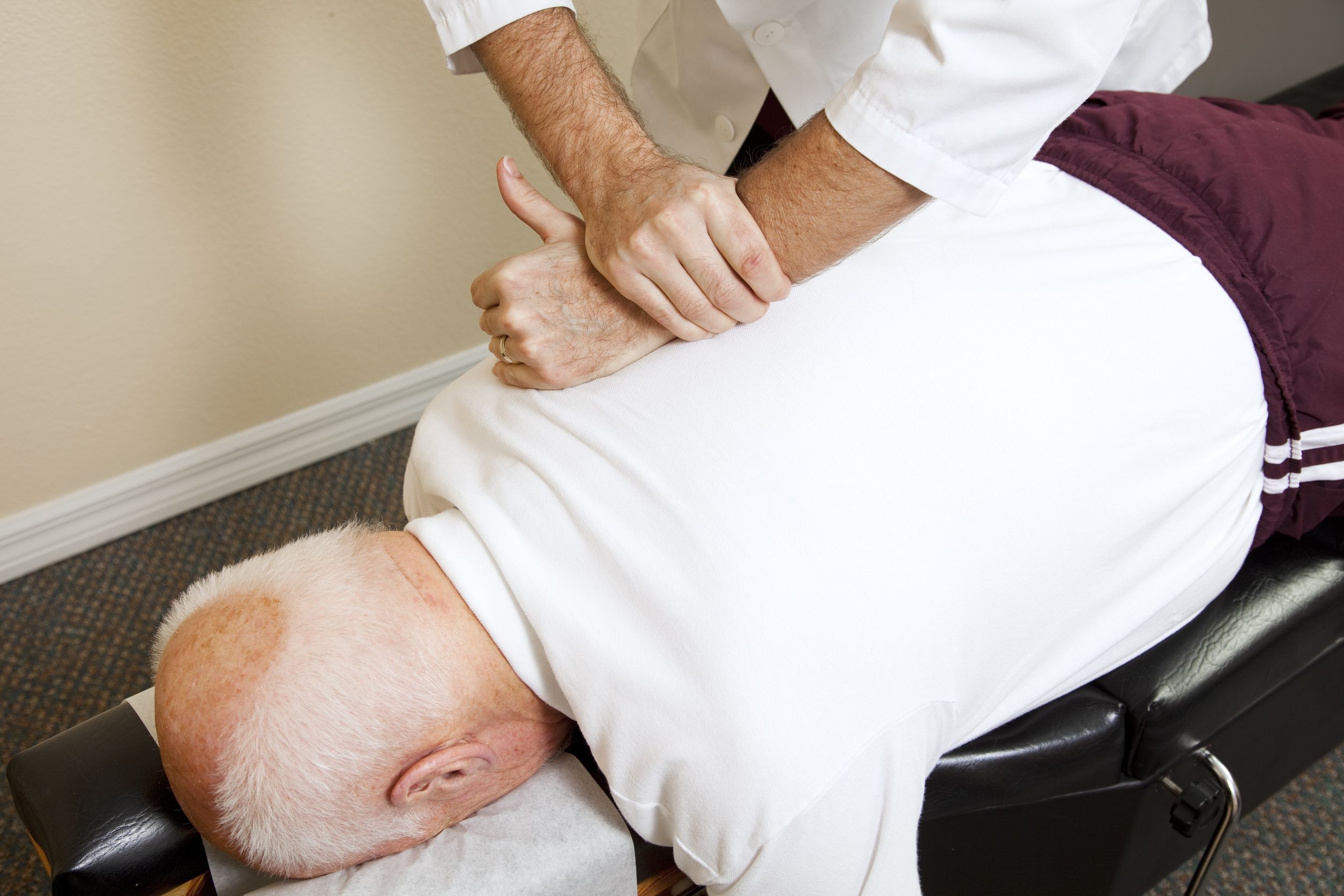
Back pain, neck discomfort, and nerve-related symptoms are common concerns for many adults in San Diego, CA. As individuals explore conservative treatment options, spinal decompression therapy has gained attention as a non-invasive approach designed to address certain spinal conditions without surgery.
For those unfamiliar with the process, questions often arise about what actually happens during a treatment session. Understanding how non-surgical spinal decompression works, what patients may experience, and how treatment plans are developed can help individuals make informed decisions about their spinal health.
What Is Non-Surgical Spinal Decompression?
Non-surgical spinal decompression is a treatment designed to gently reduce pressure within specific areas of the spine.
The therapy uses controlled mechanical forces to create a stretching effect that targets spinal discs and surrounding structures. The goal is to reduce compression, improve spinal function, and support healthier movement patterns.
Unlike surgical procedures, non-surgical spinal decompression does not involve incisions, anesthesia, or extended recovery periods.
Educational resources discussing Non Surgical Spinal Decompression often explain how the therapy focuses on reducing mechanical stress within the spine while promoting improved function.
Why Is Spinal Compression a Concern?
The spine experiences daily stress from activities such as:
- Sitting
- Standing
- Lifting
- Walking
- Exercise
- Repetitive movements
Over time, these forces may affect spinal discs, joints, and surrounding tissues.
Certain conditions may contribute to increased spinal compression, including:
- Herniated discs
- Bulging discs
- Degenerative disc changes
- Sciatica-related symptoms
- Chronic neck pain
- Chronic lower back pain
When compression affects spinal structures, individuals may experience discomfort, mobility limitations, or nerve-related symptoms.
What Happens Before Treatment Begins?
A spinal decompression chiropractor typically begins with a comprehensive evaluation.
Before treatment is recommended, several factors are assessed, including:
Medical History
The provider reviews symptoms, previous injuries, health history, and treatment experiences.
Physical Examination
Movement patterns, posture, flexibility, and spinal function are evaluated.
Symptom Assessment
Specific symptom locations, severity, and duration are discussed.
Treatment Eligibility
Not every patient is an appropriate candidate for spinal decompression therapy. The evaluation helps determine whether the treatment aligns with the individual’s needs.
This assessment process helps create a personalized treatment approach.
What Does a Typical Spinal Decompression Session Look Like?
Although treatment protocols vary, most sessions follow a structured process.
Patient Positioning
The patient is positioned on a specialized decompression table designed to apply controlled forces to targeted spinal regions.
Depending on the area being treated, patients may lie on their back or stomach.
Securing the Treatment Area
Harnesses or support systems are used to help stabilize the body during treatment.
These devices allow the decompression equipment to apply precise and controlled movements.
Computer-Controlled Stretching
The decompression system gently creates cycles of stretching and relaxation.
These movements are carefully calibrated to target specific spinal segments while minimizing unnecessary stress.
Monitoring Throughout Treatment
Treatment settings are adjusted according to the patient’s condition and response.
The process remains controlled and gradual throughout the session.
Most individuals describe the experience as comfortable and gentle rather than forceful.
How Long Does a Session Usually Last?
Treatment times vary depending on the provider’s recommendations and the patient’s condition.
In many cases, a session may last between 15 and 30 minutes.
The exact duration depends on factors such as:
- Treatment goals
- Area being addressed
- Severity of symptoms
- Overall treatment plan
A spinal decompression chiropractor may recommend multiple sessions over a period of time based on the individual’s needs.
What Does Spinal Decompression Therapy Feel Like?
Many people are surprised by how gentle the process feels.
During treatment, patients often experience:
- Mild stretching sensations
- Gentle pulling movements
- Relaxation of tight muscles
- Reduced tension in targeted areas
Most individuals remain fully awake and relaxed throughout the session.
Because the treatment is computer-controlled, forces can be adjusted to maximize comfort while maintaining therapeutic goals.
What Conditions Are Commonly Evaluated for Spinal Decompression Therapy?
Spinal decompression therapy is commonly considered for conditions involving mechanical stress and spinal compression.
Examples include:
Herniated Discs
Disc material may place pressure on nearby nerves and tissues.
Bulging Discs
Bulging discs can contribute to reduced space within the spinal column.
Degenerative Disc Changes
Age-related disc changes may affect spinal mechanics and mobility.
Sciatica
Compression affecting certain spinal nerves may contribute to symptoms radiating into the legs.
Chronic Neck and Back Pain
Persistent discomfort associated with spinal dysfunction may warrant evaluation.
Treatment recommendations vary depending on each patient’s presentation.
Why Is a Comprehensive Treatment Plan Important?
Spinal health involves more than a single treatment approach.
Many providers incorporate spinal decompression therapy into broader care plans that may include:
- Movement recommendations
- Postural education
- Mobility exercises
- Activity modifications
- Lifestyle guidance
Addressing contributing factors often supports long-term improvements in movement and function.
The goal is to help individuals manage spinal stress while promoting healthier mechanics throughout daily activities.
What Can Patients Do Between Sessions?
Individuals receiving spinal decompression therapy are often encouraged to support their treatment through healthy habits.
Helpful strategies may include:
Maintaining Proper Posture
Good posture helps reduce unnecessary spinal stress.
Staying Active
Appropriate movement supports mobility and circulation.
Following Activity Recommendations
Providers may suggest modifications based on the individual’s condition.
Managing Workplace Ergonomics
Proper workstation setup can reduce strain on the spine.
These lifestyle habits may help reinforce treatment goals and support overall spinal health.
When Should Someone Consider an Evaluation?
Persistent symptoms should not be ignored, especially when they interfere with daily activities.
Evaluation may be beneficial for individuals experiencing:
- Chronic back pain
- Recurring neck discomfort
- Radiating arm or leg symptoms
- Reduced mobility
- Ongoing spinal stiffness
- Symptoms that worsen with activity
Early assessment can help identify contributing factors and determine whether spinal decompression therapy may be appropriate.
Conclusion
A non-surgical spinal decompression session is a carefully controlled treatment designed to reduce pressure within the spine and support healthier spinal mechanics. While every treatment plan is individualized, the process generally involves gentle stretching, targeted spinal unloading, and ongoing evaluation of patient response.
For individuals in San Diego, CA, understanding what to expect during spinal decompression therapy can help remove uncertainty and provide valuable insight into this conservative treatment option. When combined with healthy movement habits and professional guidance, spinal decompression therapy may play an important role in supporting long-term spinal function and mobility.