Briefly:
• Jewelry repair covers issues like loose prongs, broken clasps, worn shanks, and resizing, and most pieces benefit from a professional evaluation before any work begins.
• Turnaround time, warranty terms, and material type (gold, platinum, silver) all affect cost and repair method.
• Residents in Greenville, SC have access to local jewelers who evaluate pieces in person before recommending a fix.
Jewelry repair becomes necessary when a ring, chain, or bracelet shows signs of wear that affect its structure or function, not just its appearance. Recognizing those signs early, and understanding what a repair process typically involves, helps prevent avoidable damage before a piece reaches a jeweler’s bench.
A professional Greenville Diamond Gallery evaluation often starts with identifying whether a repair is cosmetic or structural, since that distinction affects both timeline and price. For pieces that need hands-on attention, Greenville Diamond Gallery jewelry repair services are typically built around an in-person inspection before any work begins.
Common Signs Jewelry Needs Repair
Not every scratch or tarnish spot requires professional intervention, but certain warning signs should not be ignored.
• A stone that wiggles or shifts when touched, which often points to a loosened prong or worn setting.
• A ring that spins constantly on the finger, which usually signals it no longer fits and needs resizing.
• A clasp that does not close securely or has become bent out of shape.
• Visible thinning or stretching along a ring shank or chain link, a sign of long-term metal fatigue.
Catching these issues early tends to reduce the scope of repair needed. A stone that is only slightly loose, for example, is far less risky to reset than one that has already fallen out and been lost.
What Happens During a Jewelry Repair Evaluation
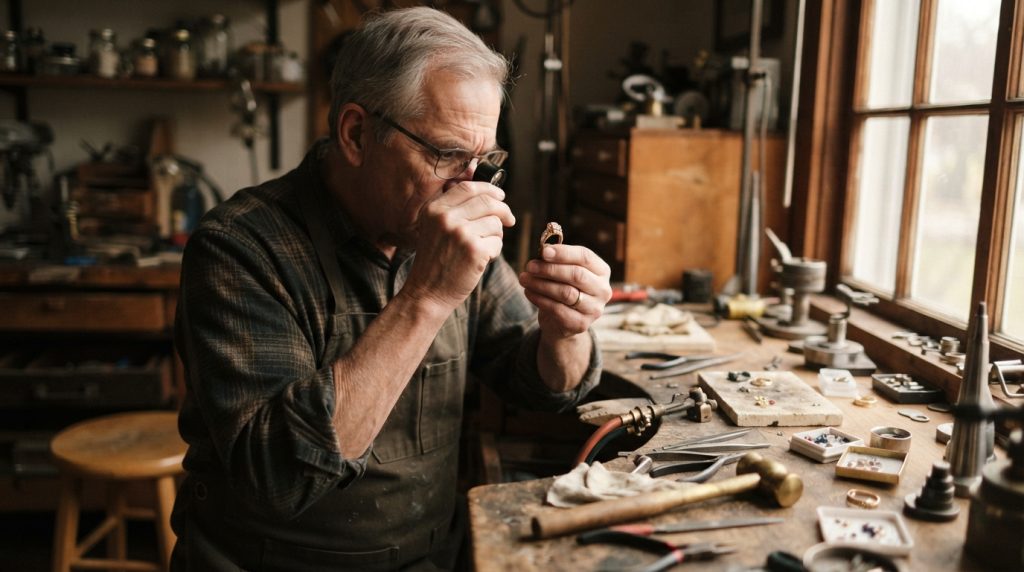
Most reputable repair shops begin with a visual and sometimes microscopic inspection of the piece before quoting any work. This step matters because metal type, stone setting style, and the extent of damage all influence both the repair method and the price.
1. The jeweler examines the piece for loose stones, worn prongs, or structural weak points.
2. Material is identified, since gold, silver, platinum, and stainless steel each require different soldering temperatures and techniques.
3. A repair plan and estimated turnaround are provided before work begins.
4. The piece is cleaned, repaired, and inspected again before being returned to the owner.
Standard industry guidance from the Gemological Institute of America notes that consulting a professional jeweler who can determine if jewelry needs repair, such as checking for loose stones and tightening them, should happen before cleaning. This sequencing matters because cleaning a piece with an already-loose stone can increase the risk of losing it.
Repair Methods and What They Involve
Different repairs call for different techniques, and the method chosen affects both durability and turnaround time.
|
Repair Type |
Typical Cause |
General Process |
|
Prong re-tipping |
Worn or bent prongs |
Adding metal to rebuild prong tips and secure the stone |
|
Ring resizing |
Finger size change or ill fit |
Cutting and resoldering the shank to adjust the band |
|
Clasp repair |
Broken or bent clasp mechanism |
Replacing or resoldering the clasp hardware |
|
Chain soldering |
Broken links |
Rejoining links with matched metal and heat |
Home maintenance between repairs can extend the life of a piece and reduce how often professional work is needed. Gentle cleaning with a soft brush and mild soap, avoiding harsh chemicals, and removing rings before manual labor are widely recommended practices, and the GIA’s diamond care guidance outlines similar steps for maintaining sparkle without risking damage to settings.
Choosing a Repair Provider
Not all repair work is equal, and the provider’s process matters as much as the price quoted. Buyers should ask whether an estimate is given in writing before work starts, whether the shop repairs in-house or sends pieces to a third party, and what warranty, if any, covers the completed repair. In Greenville, SC, residents evaluating local options typically compare these factors alongside turnaround time and material expertise before choosing where to bring a piece.
Frequently Asked Questions
How long does jewelry repair usually take? Turnaround depends on the complexity of the repair and whether parts need to be sourced, with simple fixes like clasp repair often completed faster than full resizing or stone resetting jobs.
Can all types of jewelry be repaired? Most gold, silver, platinum, and stainless steel pieces can be repaired, though the technique and feasibility depend on the metal’s condition and the extent of damage.
Is a warranty typical after a repair? Many repair providers offer a guarantee period on completed work, so it is worth asking what is covered and for how long before authorizing the repair.
Should jewelry be cleaned before or after a repair evaluation? A professional should inspect the piece first, since cleaning a loose setting before repair can increase the risk of losing a stone.
Noticed a loose stone, damaged clasp, or worn ring that needs attention? Get your jewelry evaluated before minor wear turns into more serious damage. Greenville Diamond Gallery helps customers in Greenville, SC care for their valuable pieces with professional jewelry services. Whether you need ring resizing, stone setting, clasp repair, or another jewelry repair solution, contact Greenville Diamond Gallery to discuss your requirements. Visit Greenville Diamond Gallery on Google Maps for business details and contact information.


