Essentially:
- A qualified residential roofing contractor inspects, repairs, or replaces roofing systems using materials suited to Minnesota’s climate, including asphalt, cedar, and metal.
- Licensing, insurance, and local experience are the strongest indicators of a dependable roofing provider.
- Bloomington homeowners benefit from contractors familiar with regional weather patterns, building codes, and common roof failure points.
Finding the right Residential Roofing Contractor starts with confirming licensing, verifying real project experience, and matching a contractor’s material expertise to your roof type. Bloomington’s seasonal temperature swings put specific demands on shingles, flashing, and ventilation, so the decision carries more weight than it might in a milder climate.
This is one example of a contractor serving the Bloomington area. Its Bloomington-focused service page describes itself as an Expert Residential Roofing Contractor in Bloomington, MN and notes that the company works with metal, cedar, and asphalt roofs.
What a Residential Roofing Project Typically Involves
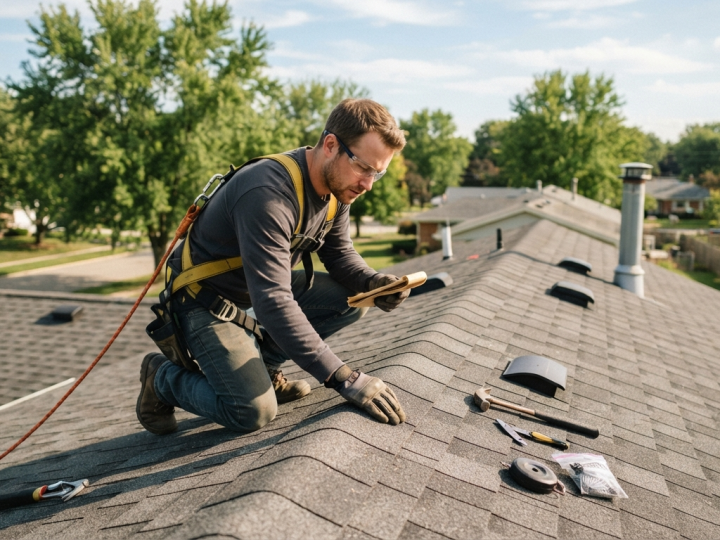
Roofing work on a home generally falls into three categories: inspection, repair, and full replacement. Each requires different timelines, materials, and levels of disruption to a household.
- Inspection – identifying wear, leaks, or ventilation issues before they become structural problems
- Repair – addressing isolated damage such as missing shingles, flashing failures, or minor leaks
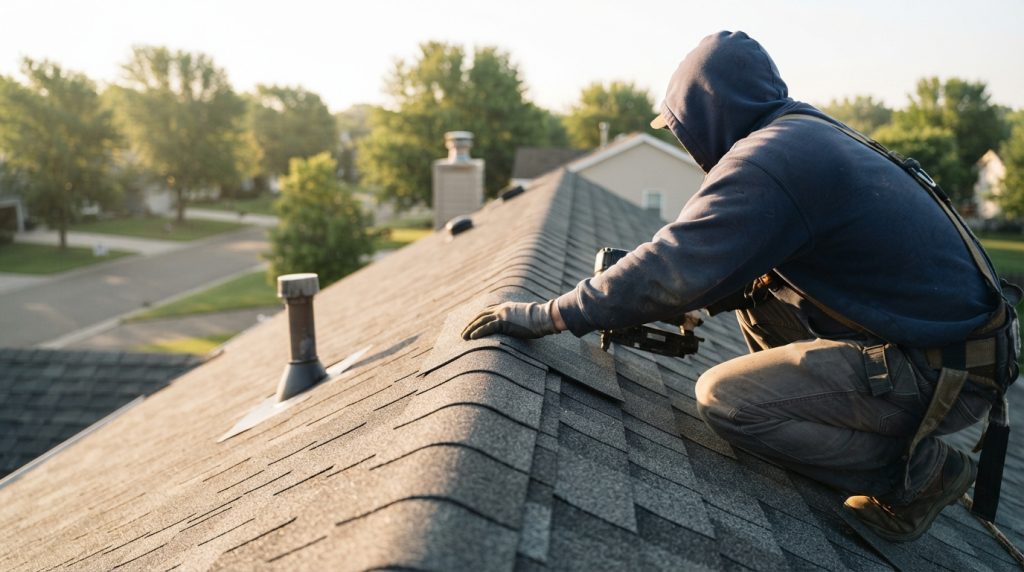
- Replacement – removing the existing roof system and installing new materials across the full structure
According to the National Roofing Contractors Association, most new roofs are designed to provide useful service for about 20 years, with some materials like slate, clay tile, and certain metals lasting longer depending on climate, design, and maintenance. That range underscores why an accurate inspection matters before deciding between repair and replacement.
Materials Commonly Used by Local Roofing Contractors
Material choice affects both performance and maintenance schedules. Contractors serving the Twin Cities region commonly work across several roofing types to accommodate different budgets and home styles.
| Material | Typical Use Case | General Durability Note |
| Asphalt shingles | Most common residential option | Widely used for cost and availability |
| Cedar shakes/shingles | Traditional aesthetic, natural material | Requires periodic maintenance |
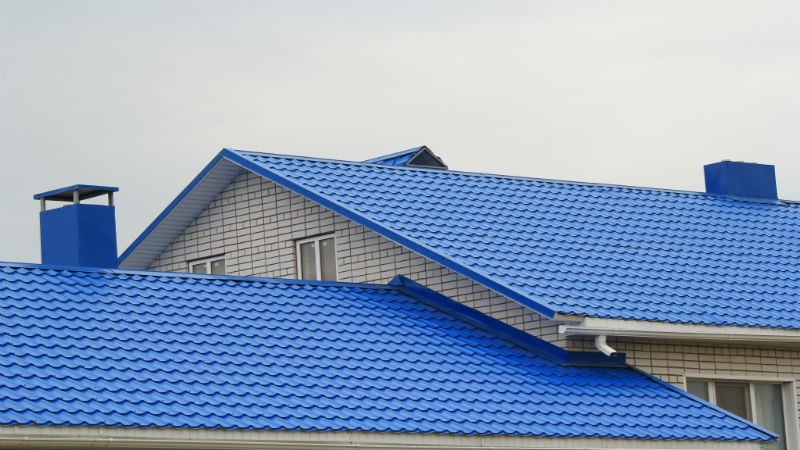
| Metal panels/shingles | Modern homes, long-term durability goals | Resistant to many weather extremes |
| Rubber (low-slope) | Flat or low-pitch roof sections | Common on additions or porches |
A roofing guide published by the NRCA and Asphalt Roofing Manufacturers Association places 3-tab asphalt shingles at 15 to 20 years and architectural asphalt shingles at 25 to 30 years of expected functional life, while metal roofing can last 40 to 70 years depending on gauge and coating. These figures help explain why contractors ask about material age during an inspection rather than relying on appearance alone.
Questions to Ask Before Hiring
Homeowners should treat the hiring process like any other home investment decision. A short list of direct questions can reveal a lot about a contractor’s reliability.
- Are you licensed and insured for residential roofing work in this area?
- What roofing materials do you install and repair most often?
- Can you walk me through your inspection process before quoting a repair or replacement?
- What warranty terms apply to materials versus labor?
- How do you handle unexpected issues found once work begins, such as deck damage?
For additional background on what a thorough inspection should cover, the NRCA’s homeowner guidance resources outline baseline maintenance and inspection practices recommended across the roofing industry.
Why Local Climate Knowledge Matters
Minnesota’s freeze-thaw cycles, heavy snow loads, and summer storms place specific stress on roofing systems. A contractor who regularly works in the Bloomington area will typically understand how these conditions affect flashing, ice-dam risk, and ventilation needs over time. That familiarity often shows up in smaller details: underlayment choices, attic ventilation recommendations, and realistic timelines based on seasonal weather windows rather than generic national averages.
Frequently Asked Questions
How do I know if my roof needs repair or full replacement? A visual inspection focused on shingle condition, flashing integrity, and interior signs of leaking is the standard starting point. Isolated damage can often be repaired, while widespread wear across the roof’s expected service life usually points toward replacement.
What roofing materials work best in Minnesota’s climate? Homeowners in the region commonly choose asphalt shingles for cost-effectiveness, cedar for a traditional look, or metal panels for long-term durability against snow and temperature swings. The right choice depends on budget, home style, and maintenance preferences.
How often should a residential roof be inspected? Industry guidance generally recommends inspecting roofs during spring and fall to catch seasonal wear before it worsens. Regular inspection also helps homeowners plan for repairs before small issues become costly ones.
Does a roofing contractor also handle related exterior work? Many residential roofing contractors also offer related services such as siding, gutters, or decking, since these systems often interact with roof performance. Confirming the full scope of services upfront helps homeowners plan multi-part exterior projects efficiently.
Choosing a roofing contractor in Bloomington comes down to verifying credentials, understanding material options, and asking direct questions about processes and warranties. D.S. Bahr Construction, Inc. can be considered by homeowners looking for professional roofing solutions tailored to their property’s needs. Taking these steps before signing a contract helps avoid costly surprises and ensures the roof system is built to withstand Minnesota’s demanding weather conditions.