Briefly:
- A lung health evaluation typically starts with a detailed symptom history, followed by breathing tests like spirometry and imaging when needed.
- Common conditions assessed include asthma, COPD, chronic cough, and shortness of breath that disrupts daily activity or sleep.
- Local respiratory specialists coordinate testing, diagnosis, and treatment plans close to home rather than requiring a trip to a larger metro hospital.
Persistent coughing, unexplained shortness of breath, or wheezing that will not resolve on its own are signals that a structured respiratory workup is needed rather than guesswork. A pulmonologist in Murrieta, CA, typically begins that workup with a conversation about symptoms, followed by objective testing that measures how well the lungs move air and exchange oxygen.
Breathing problems rarely show up in isolation. Many patients notice overlapping issues, such as daytime fatigue tied to disrupted sleep alongside chronic cough or chest tightness, which is why a thorough intake often asks about sleep quality, snoring, and energy levels in addition to classic respiratory complaints.
What Happens During an Initial Lung Health Visit
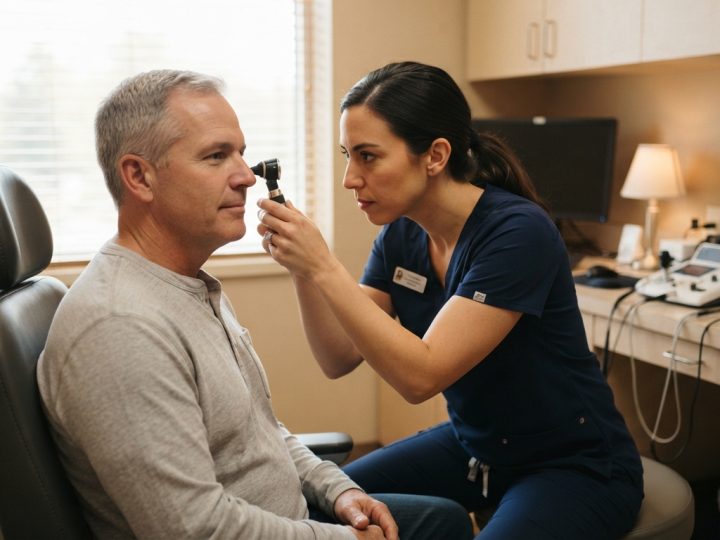
The first appointment focuses on gathering a complete picture before ordering tests. A clinician will typically ask about:
- Duration and pattern of symptoms, such as whether cough is worse at night or triggered by exercise
- Personal and family history of asthma, COPD, or other chronic respiratory conditions
- Smoking history, occupational exposures, and environmental factors
- Sleep habits, including snoring or witnessed pauses in breathing
This conversation helps narrow down whether symptoms point toward an airway disease, an infection, a sleep-related breathing disorder, or something else entirely.
Common Conditions Evaluated
Respiratory specialists in the Temecula Valley region routinely assess patients for a range of lung conditions. Diseases often treated in a pulmonary department include pneumonia, asthma, tuberculosis, COPD, lung cancer, and cystic fibrosis. Other conditions a pulmonary specialist may address include Alpha-1 antitrypsin deficiency, chronic bronchitis, interstitial lung disease, and pulmonary hypertension.
Diagnostic Tools Used to Assess Lung Function
Objective testing is the backbone of any respiratory evaluation. Pulmonary workups commonly include comprehensive pulmonary function tests (PFTs), imaging studies such as chest X-rays and CT scans, and bronchoscopy procedures when a more direct look at the airways is needed.
Spirometry, the most widely used pulmonary function test, measures how much air a person can exhale and how quickly, which helps classify obstructive versus restrictive lung patterns. According to the American Thoracic Society, spirometry is used to provide objective information for diagnosing lung disease and monitoring lung health over time.
| Diagnostic Tool | Primary Purpose |
| Spirometry (PFT) | Measures airflow and lung capacity |
| Chest X-ray or CT scan | Identifies structural lung changes |
| Bronchoscopy | Direct visual exam of airways |
| Sleep study | Detects breathing-related sleep disruption |
Treatment Planning After Diagnosis
Once testing identifies the underlying issue, a treatment plan is built around the specific diagnosis. Medical management often includes personalized medication plans, inhalers, nebulizers, and other respiratory therapies to manage symptoms and improve lung function. For more advanced cases, oxygen therapy evaluation, pulmonary rehabilitation programs, or interventional procedures such as endobronchial ultrasound may be recommended to address complex airway and lung disease.
Why Breathing and Sleep Evaluations Often Overlap
Shortness of breath and chronic fatigue frequently trace back to disrupted sleep rather than lung disease alone. Conditions like sleep apnea can mimic or worsen respiratory symptoms, which is why many practices in the region evaluate sleep patterns alongside lung function, particularly for patients reporting both daytime breathlessness and poor-quality sleep.
Frequently Asked Questions
What symptoms warrant a lung health evaluation? Persistent cough lasting more than a few weeks, wheezing, shortness of breath during routine activity, or chest tightness are common reasons to seek a respiratory evaluation.
Is a referral required to see a lung specialist? Requirements vary by insurance plan, so patients should confirm referral needs with their primary care provider or insurance carrier before scheduling.
How long does a pulmonary function test take? A standard spirometry session typically takes 15 to 30 minutes, though a full diagnostic workup with imaging may require a separate visit.
Can sleep issues be evaluated during the same visit as breathing concerns? Many practices that treat pulmonary and sleep medicine together can discuss both during an initial consultation, since the two areas frequently overlap.
Finding Local Support for Breathing and Sleep Concerns
Respiratory symptoms that interfere with daily life or sleep deserve a clear diagnostic path rather than ongoing guesswork. Integra Health, PC is a multi-specialty medical practice offering pulmonary, sleep medicine, and related diagnostic services for patients throughout the Temecula Valley area.