Short answer:
• Minor clogs often clear with a plunger or drain snake, while recurring blockages usually need professional drain cleaning or hydro jetting.
• Chemical drain cleaners can damage pipes and are discouraged by the EPA as household hazardous waste.
• Licensed plumbers serving South San Francisco, CA and San Francisco, CA can diagnose whether a clog needs mechanical clearing, jetting, or camera inspection.
A slow or blocked drain is one of the most common plumbing complaints in older Bay Area homes, where cast iron and clay pipes are still common. Choosing the right method matters, because the wrong approach can push a clog deeper or damage aging pipework. Drain cleaning covers everything from basic mechanical tools to pressurized water jetting, and the best choice depends on where the clog is, how severe it is, and the condition of the pipe itself. A professional assessment from Advantage Plumbing SF can help you match the technique to your pipes, so the blockage is cleared without risking further damage.
San Francisco’s housing stock includes many buildings constructed before 1980, meaning original drain lines may be decades old and more prone to buildup, root intrusion, or corrosion. Understanding the available methods helps homeowners decide when a simple fix is enough and when a professional assessment is warranted.
Common Drain Clog Causes in Older Bay Area Homes
Several recurring issues affect drains in San Francisco, CA properties:
• Grease and soap buildup in kitchen lines, which narrows pipe diameter over time
• Hair and mineral scale in bathroom drains
• Tree root intrusion into clay or cast iron sewer laterals
• Sediment buildup in low-flow fixtures common in older multi-unit buildings
Each cause responds differently to clearing methods, which is why a one-size-fits-all approach rarely solves recurring blockages.
Drain Cleaning Methods Compared
| Method | Best For | Limitations |
| Plunger or hand snake | Minor, single-fixture clogs near the drain opening | Ineffective on deep or hardened blockages |
| Chemical drain cleaner | Light grease or soap buildup | Corrosive to pipes; not recommended for septic systems |
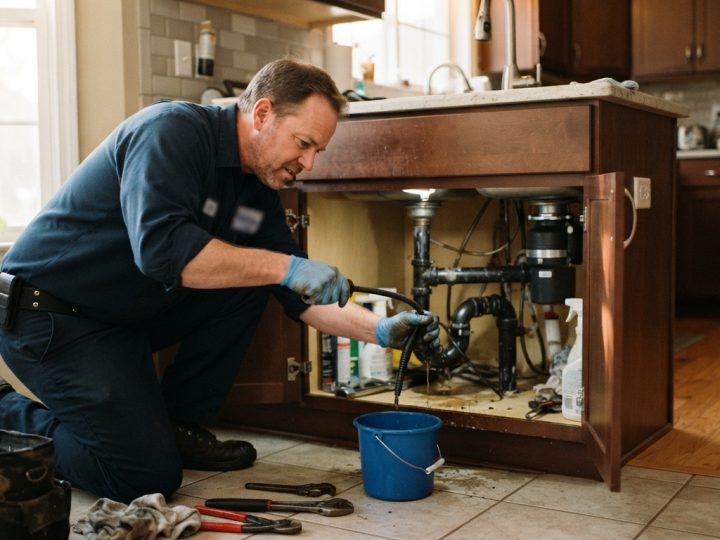
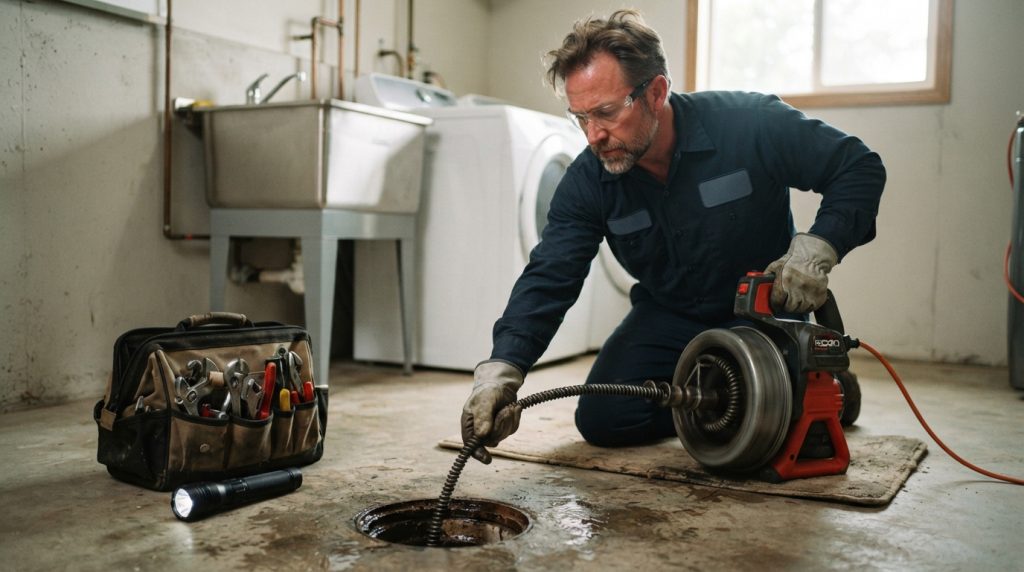
| Motorized drain snake (rooter) | Clogs further down the line, including some root intrusion | Can damage fragile or already-cracked pipes if used aggressively |
| Hydro jetting | Grease buildup, scale, and root intrusion along the full pipe length | Requires professional equipment; not ideal for severely compromised pipes |
Chemical products are widely available, but their drawbacks are well documented. According to the EPA’s household hazardous waste guidance, drain cleaners fall under household hazardous waste and should never be poured down drains, sewers, or toilets once removed from use, and should never be mixed with other chemicals. This is a key reason many plumbers favor mechanical and jetting methods over repeated chemical treatments.
When Hydro Jetting Makes Sense
Hydro jetting uses high-pressure water to scour the interior of a pipe, removing grease, scale, and root intrusion that a standard snake cannot fully clear. It is typically recommended when:
1. A drain has backed up multiple times despite snaking
2. Camera inspection shows significant grease or scale buildup
3. Tree roots have entered a sewer lateral
4. A property has a history of recurring slow drains across multiple fixtures
Jetting is not appropriate for pipes with existing cracks or significant corrosion, since high pressure can worsen structural damage. A camera inspection beforehand helps confirm whether the pipe can safely handle jetting.
Signs a Clog Needs Professional Attention
Not every slow drain requires a service call, but certain signs point to a larger issue:
• Multiple drains backing up at the same time, which often signals a main line blockage
• Gurgling sounds from toilets or other fixtures when water runs elsewhere
• Recurring clogs in the same drain within weeks of clearing it
• Sewage odor near floor drains or cleanouts
Based in South San Francisco, CA, Advantage Plumbing SF serves customers throughout San Francisco, CA, and licensed plumbers can determine whether a clog is isolated or part of a larger line issue using camera inspection equipment.
Frequently Asked Questions
Is it safe to use chemical drain cleaner regularly? Repeated use is discouraged because these products are corrosive and classified as household hazardous waste by the EPA, and they are not recommended for homes with septic systems.
How often should drain lines be inspected in older homes? There is no universal schedule, but homes with a history of recurring clogs or known root intrusion often benefit from periodic camera inspection to catch problems before a full blockage occurs.
Can hydro jetting damage old pipes? Yes, if a pipe is already cracked or severely corroded, high-pressure jetting can worsen the damage, which is why a camera inspection is typically done first.
What is the difference between snaking and jetting? A drain snake mechanically breaks through or hooks a clog, while hydro jetting uses pressurized water to scour the full interior surface of the pipe, removing buildup along the way.
Service Area Note
Published service-area and contact information for Advantage Plumbing SF is available through Advantage Plumbing SF on Google Maps.
Understanding which drain cleaning method fits a given clog can prevent unnecessary pipe damage and repeat service calls, particularly in San Francisco’s older housing stock where original drain lines are common.