Summary first:
- Kids martial arts programs combine structured movement, goal-setting belt systems, and group instruction to support attention, self-regulation, and social skills.
- Classes typically run in age-grouped sessions so instruction matches a child’s developmental stage.
- Programs serving Loveland, CO are based out of Fort Collins, CO, where instruction and training facilities are located.
Children who take structured martial arts classes often show measurable gains in self-control, attention span, and self-assurance because the format pairs physical skill-building with repeated small wins. Each class session reinforces a goal, a correction, and a success, which gives kids a concrete framework for building confidence over time.
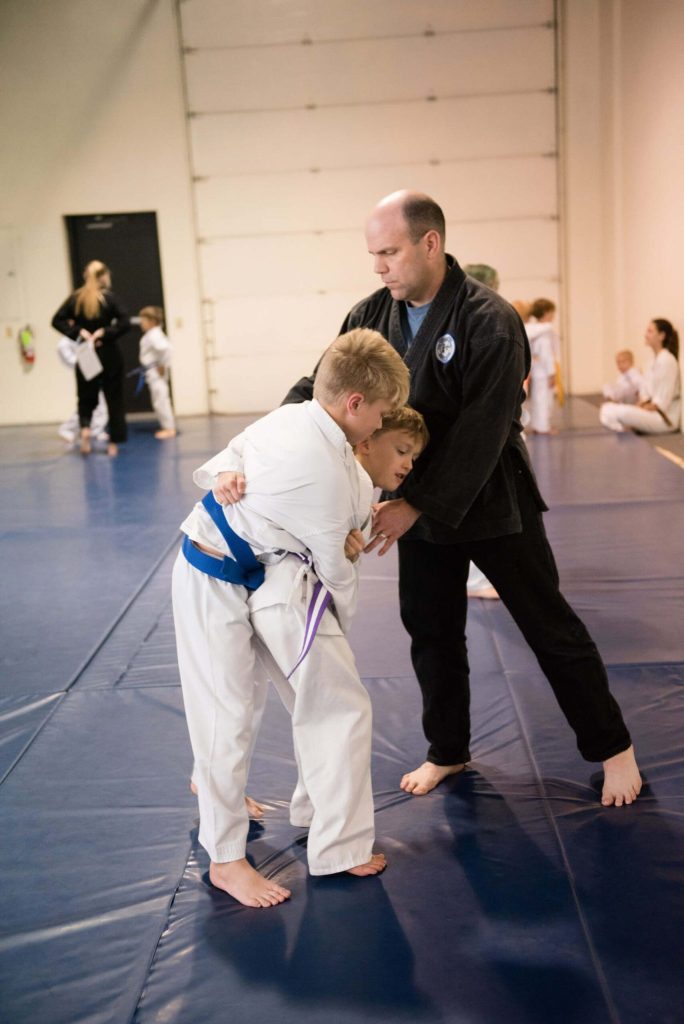
Kids Martial Arts Loveland CO programs are typically structured around age-based skill levels, so a five-year-old and a twelve-year-old are not learning the same drills side by side. This age-matched approach helps instructors calibrate physical demands and attention spans appropriately, which matters because younger children and preteens process instruction differently. Families searching for youth-focused training in Loveland, CO often prioritize this structure when comparing programs.
Why Structure Matters for Child Development
Martial arts instruction relies on repetition, clear expectations, and incremental goals, three elements that align with how children build self-regulation skills.
- Belt or rank systems give kids short-term, visible goals instead of one distant achievement.
- Warm-up and drill routines create predictable patterns that reduce anxiety for children who need structure.
- Partner and group drills require children to practice patience, turn-taking, and listening to instructions.
The American Academy of Pediatrics notes that structured physical activity supports children’s motor skills and behavioral regulation during school-age development. Programs that combine physical activity with clear behavioral expectations, such as martial arts classes, give children repeated practice applying self-control in a group setting.
What a Typical Class Structure Looks Like
Most youth martial arts classes follow a predictable session format designed to build both physical skill and behavioral habits.
- Warm-up drills focusing on coordination, balance, and basic conditioning.
- Technique instruction broken into small, repeatable steps.
- Partner or group practice to apply new skills under light supervision.
- A closing routine, often including a review of behavior expectations like respect and listening.
This format repeats weekly, which helps children internalize both the physical techniques and the behavioral habits attached to them, such as waiting their turn or following multi-step instructions.
Comparing Program Formats for Kids
Families evaluating options locally often compare class formats before enrolling a child.
| Program Format | Typical Age Range | Primary Focus |
| Little Ninjas / Preschool | Ages 4-6 | Basic coordination, listening skills, short attention spans |
| Youth Foundations | Ages 7-12 | Technique progression, belt goals, discipline habits |
| Teen Programs | Ages 13+ | Advanced technique, leadership roles, physical conditioning |
Age-grouped formats like these allow instructors to adjust pacing, vocabulary, and physical demands to match where a child actually is developmentally, rather than applying one curriculum across all ages.
Business Info
Based in Fort Collins, CO, Total Ryu Martial Arts serves families across Loveland, CO who are looking for structured youth training options. Instruction and class facilities are located in Fort Collins, CO, with program availability extending to residents of the surrounding Loveland, CO area.
Frequently Asked Questions
At what age can a child start martial arts classes? Many programs accept children starting around age four, though class structure and expectations differ significantly between preschool-age groups and older youth divisions.
How often do kids typically attend class each week? Weekly frequency varies by program and age group, with some families attending one session per week and others enrolling in multiple weekly classes as a child advances.
Does martial arts training help with school-related focus? Structured physical activity, including martial arts practice, is associated with improved behavioral regulation in children, according to pediatric health guidance, though individual results vary by child and program consistency.
What should parents look for in a youth program? Age-appropriate class grouping, clear safety protocols, and a visible skill progression system are common indicators of a well-structured youth martial arts program.
A Final Note on Choosing a Youth Program
Evaluating a youth martial arts program comes down to matching class structure, age grouping, and instructional pacing to a child’s actual developmental stage rather than choosing based on convenience alone. Current class schedules and program details for Total Ryu Martial Arts are available for families reviewing options in the area.