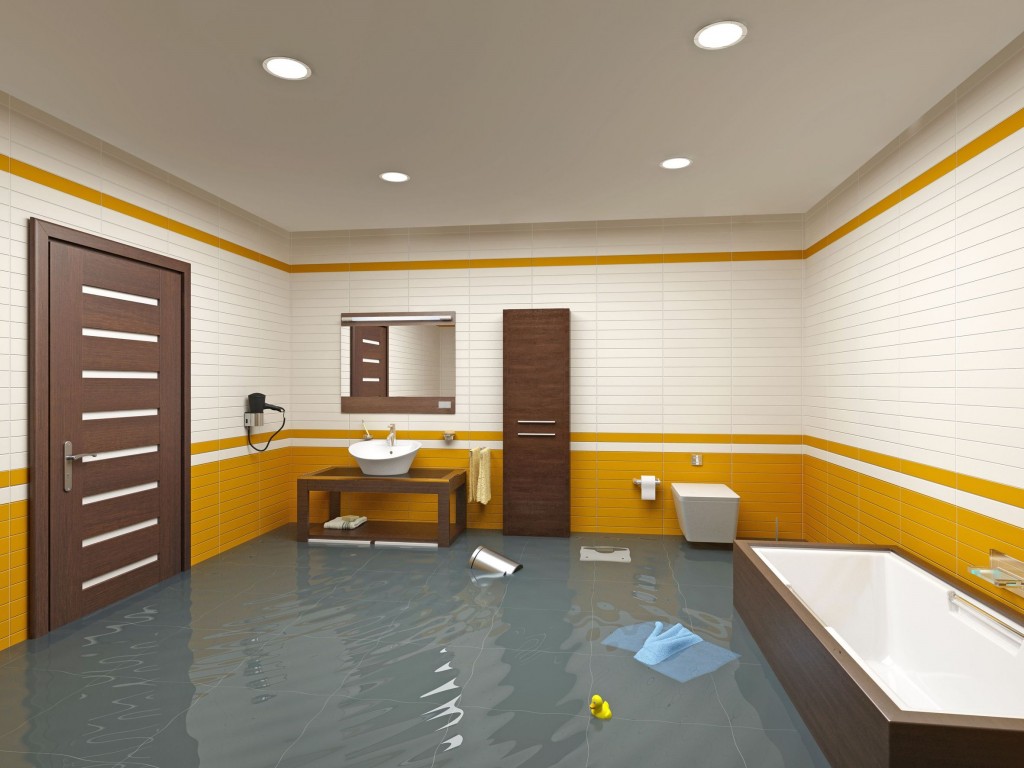
After a flood, the first decisions are about safety. Once you can safely return, document the damage and arrange an assessment. Water can seep beneath flooring, behind cabinets, and into wall cavities even after the puddles are gone. Blackridge Restoration provides 24/7 water damage restoration in Alpharetta, including water extraction, structural drying, and moisture testing.
1. Make Sure It’s Safe to Return
Wait until floodwater has receded and local authorities say it’s safe to return. Stay outside if you smell gas, suspect structural damage, or see water around outlets, appliances, or the electrical panel. Get qualified help from a safe location. Never step into standing water to reach a breaker or unplug equipment. Keep children and pets away from affected areas, since floodwater can carry sewage, chemicals, and debris.
2. Stop Additional Water From Entering if You Can Do So Safely
If a burst pipe or appliance caused the damage, close the fixture valve or main water shutoff if you can reach it from a dry, safe area. If stormwater is still entering the property, wait until conditions are safe before addressing drainage or moving belongings. Once you can safely access the home, move dry valuables away from affected rooms and leave contaminated materials for professionals to assess.
3. Document the Damage and Contact Your Insurer
Take photos and videos before cleanup begins, where it’s safe to do so. Capture wide views of affected rooms, close-ups of damaged belongings, and any visible waterlines. Note when you discovered the flooding and save receipts for emergency work or temporary lodging.
If you have flood insurance, contact your provider promptly. Ask what records it needs, which expenses may be covered, and whether damaged items need to be inspected before disposal.
4. Remove Water and Begin Drying Promptly
A restoration crew can extract standing water and take moisture readings around walls, floors, and cabinets. Those readings help determine whether materials can be dried in place or need to be removed. The EPA recommends drying affected areas within 24 to 48 hours when possible to reduce the risk of mold growth. If the water may contain sewage or chemicals, leave the cleanup to qualified professionals.
5. Check for Hidden Moisture Before Rebuilding
Musty odors, bubbling paint, or warped flooring can signal moisture that still needs attention. Ask the restoration team where it took readings, how it tracked drying, and what it found beneath flooring or inside affected walls. Confirm that materials are dry before installing new drywall, flooring, or trim.
Get Help With Flood Cleanup in Alpharetta
When you call, explain when the flooding began, where the water came from, and which rooms are affected. Mention any areas you couldn’t safely enter or any signs that water traveled beneath flooring or into adjacent rooms. That information gives the restoration team a starting point for the assessment. Call 470-201-2929 for 24/7 water damage assistance in Alpharetta. For office directions and contact details, View Blackridge Restoration on Google Maps.