• Interior demolition in Sacramento requires a wrecking permit, a SMAQMD asbestos survey, and a Construction and Demolition (C&D) Waste Management Plan before work begins.
• Hiring a licensed contractor who handles hazardous materials abatement alongside demolition keeps the project on a single timeline and avoids costly coordination gaps.
Hiring a licensed interior demolition contractor Sacramento CA is the most direct path to completing a commercial or industrial strip-out safely, legally, and on schedule. The permit requirements in Sacramento involve multiple agencies, and skipping any step can result in stop-work orders or fines.
What Sacramento Permits and Approvals You Actually Need
Interior demolition in Sacramento is not permit-free, even when no structural members are being removed. All demolition permits, including interior demolition, fall under the city’s debris recycling ordinance. That means a Waste Management Plan is required before the permit is issued.
Wrecking permits submitted after January 15, 2026 must use Green Halo. Applicants go to the Green Halo website at sacramento.wastetracking.com and create a Waste Management Plan. All demolition projects require that 65% of all debris generated during the course of a project be recycled.
Beyond the city permit, the Sacramento Metropolitan Air Quality Management District (SMAQMD) has a separate layer of oversight. Asbestos demolition and renovation work in Sacramento is governed by SMAQMD under Rule 902 (Asbestos), which implements the federal Asbestos NESHAP standard locally, and the District administers survey, notification, and abatement requirements to prevent dangerous asbestos fibers from being released during construction.
SMAQMD requires an asbestos survey and notification before any Sacramento demolition, followed by a 10-day waiting period. The survey is typically required before the building department will issue a permit. Property owners cannot skip this step based on building age or assumed condition.
For a quick overview of the permit sequence, see the table below:
|
Step |
Agency |
Requirement |
|
Asbestos survey |
SMAQMD |
Certified Asbestos Consultant, before permit |
|
SMAQMD notification |
SMAQMD |
10-business-day waiting period |
|
Wrecking permit + WMP |
City of Sacramento |
Green Halo submission required |
|
Debris recycling |
City of Sacramento |
65% diversion of C&D debris |
Site Preparation: Hazardous Materials Come First
The order of operations on any interior demolition project in Sacramento is non-negotiable: survey, abate, then demolish. If regulated asbestos-containing material is found, abatement must be completed before the demolition crew disturbs the material.
If the asbestos report finds asbestos, licensed abatement happens first, then a retest with documented proof before the structure comes down. Lead paint is a parallel concern in older commercial buildings and requires its own assessment and handling protocol.
Utility disconnects are another pre-demolition requirement. Gas, electrical, and water services must be isolated before any interior work begins, both as a safety measure and as a condition of permit release. Coordinating these disconnects with the relevant utilities adds lead time that many project timelines underestimate.
According to the Sacramento Metropolitan Air Quality Management District’s asbestos guidance, property owners are responsible for ensuring surveys are completed and regulated materials are properly abated before any disturbance occurs.
What the Demolition Scope Covers
Interior demolition, sometimes called a soft or selective demolition, focuses on removing non-structural elements to prepare a space for renovation or tenant improvement. As a certified interior demolition contractor, managing selective dismantling for remodels and upgrades is part of the core scope.
Demolition project experience spans industrial, chemical, manufacturing and assembly plants, power generation and treatment plants, commercial office buildings and retail space, and medical, government, and hotel structures.
Typical interior demolition scope includes:
• Removal of partition walls, ceilings, and flooring systems
• Strip-out of mechanical, electrical, and plumbing rough-in
• Selective dismantling around structural elements that must remain
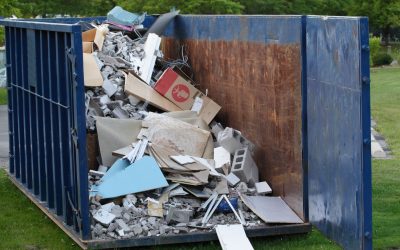
• Debris staging and haul-off in compliance with the city’s 65% recycling mandate
Working with a single contractor to manage the demolition of the property, the remediation, hauling, and disposal of all hazardous materials found on the site, and the remodel and renovation of the building keeps the project under one point of accountability.
Frequently Asked Questions
Do I need a permit for interior demolition in Sacramento? Yes. Interior demolition projects fall under Sacramento’s wrecking permit and C&D recycling ordinance. A Waste Management Plan through Green Halo is required for permits submitted after January 15, 2026.
Is an asbestos survey required even if the building looks clean? Yes. SMAQMD Rule 902 requires a survey by a Certified Asbestos Consultant before any renovation or demolition work begins, regardless of a building’s apparent condition.
Can one contractor handle both abatement and demolition? Yes, and it is generally more efficient. Per NESHAP and Cal OSHA regulations, licensed contractors can demolish asbestos-containing building materials containing less than 1% asbestos in place and dispose of them as general debris.
How long does the permit process take? The SMAQMD notification alone requires a 10-business-day waiting period. Add time for the asbestos survey, Green Halo WMP approval, and utility disconnects, and most projects should budget three to four weeks of pre-work before demolition begins.
For Sacramento commercial and industrial projects that require coordinated abatement, demolition, and debris management, CAL INC provides certified services across the Sacramento region. CAL INC provides environmental remediation, demolition, industrial cleaning, hazardous waste management, consulting, and training services in Vacaville, Sacramento, Oakland, and Northern CA. Verifying contractor licensing, reviewing the permit sequence with your project team, and scheduling the asbestos survey early are the three steps that most reliably keep an interior demolition project on track.