Recap:
- Sagging rooflines, recurring leaks, and rising energy bills are the clearest indicators a commercial roof needs professional evaluation.
- Low-slope and flat roofs common on commercial buildings require specialized inspection methods different from residential roofing.
- Building owners in Kansas City, KS should schedule inspections before seasonal temperature swings stress aging roof membranes.
A building typically needs professional attention when visible sagging, interior water stains, or a jump in heating and cooling costs appear together, since these point to membrane failure or structural moisture intrusion rather than cosmetic wear. Catching these signs early prevents small repairs from turning into full roof replacements.
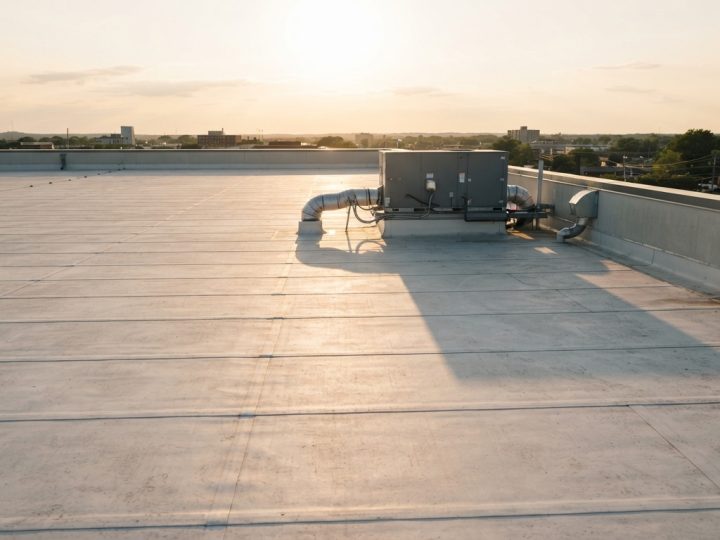
Commercial roofs differ from residential ones in material, slope, and the way damage spreads across large, often flat surfaces. A Commercial Roofing Contractor trained in low-slope systems can identify failure points that a general contractor might miss, including seam separation, ponding water, and deteriorated flashing around rooftop equipment. Recognizing the warning signs below helps property managers decide when an inspection is worth scheduling rather than postponing.
Visible Warning Signs That Point to Roof Trouble
Several physical indicators tend to show up before a roof fails outright. Property managers who walk the roof periodically, or review interior ceilings, often spot these issues first.
- Ponding water that remains more than 48 hours after rainfall, suggesting poor drainage or a sagging deck
- Bubbling, blistering, or cracking on the membrane surface, which signals trapped moisture or UV degradation
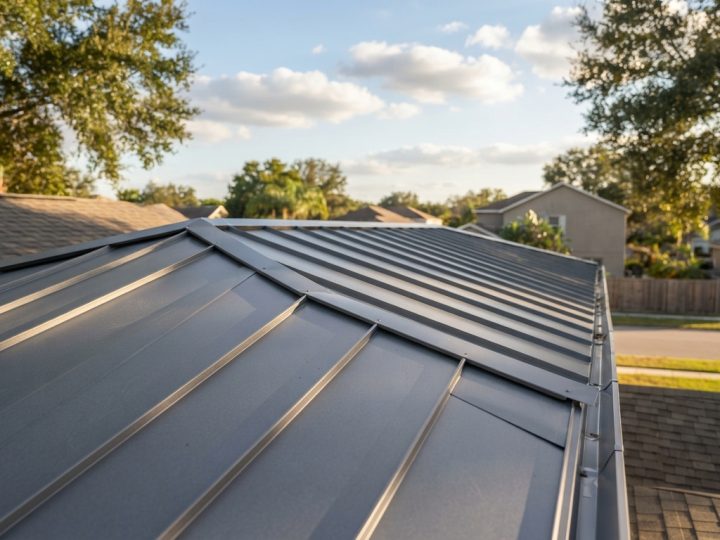
- Rust, corrosion, or separated seams on metal roofing sections
- Interior ceiling stains, musty odors, or visible mold near exterior walls
- Loose or missing flashing around vents, skylights, and HVAC units
Any one of these conditions on its own may not require immediate replacement, but a combination usually means the roofing system is nearing the end of its service life or has an active leak path.
Why Flat and Low-Slope Roofs Need Specialized Attention
Most commercial buildings in Kansas City, KS use flat or low-slope roofing systems such as TPO, EPDM, or modified bitumen, which behave differently than pitched residential shingles. These systems rely on proper drainage slope and seam integrity rather than gravity alone to shed water.
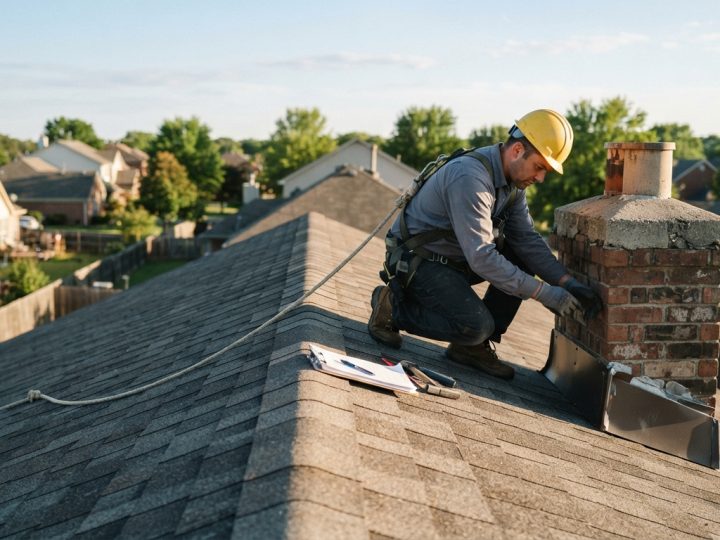
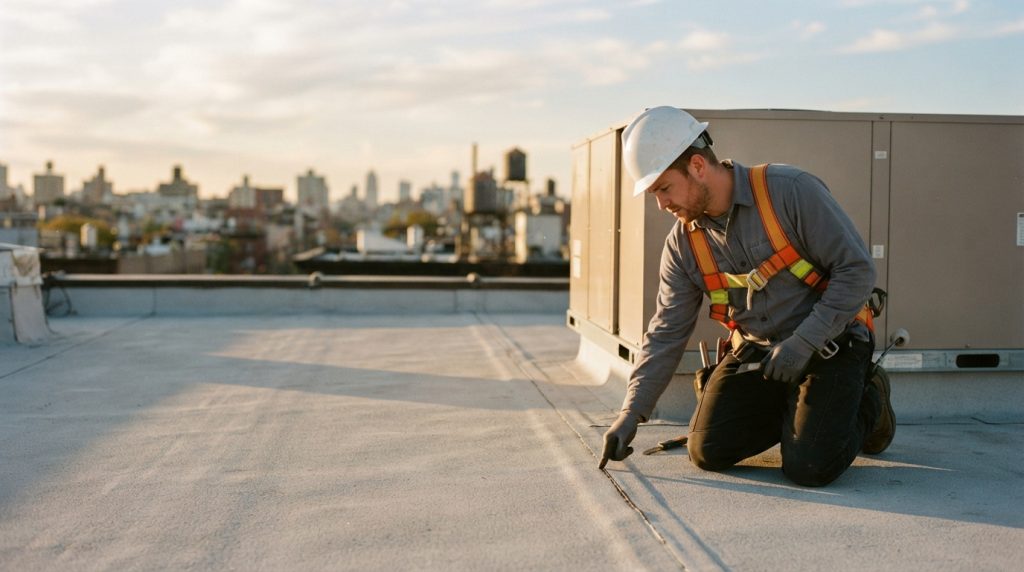
Federal fall protection and inspection standards also apply differently to low-slope commercial roofs than to steep-slope residential ones. According to OSHA’s fall protection standards, work surfaces six feet or more above a lower level require protective measures, a rule that shapes how inspections and repairs are performed safely on commercial rooftops. This is one reason licensed contractors, rather than general maintenance crews, typically handle rooftop evaluations.
Seasonal and Structural Factors Specific to the Region
Temperature swings between humid summers and freezing winters place additional stress on commercial roofing membranes in this region. Expansion and contraction cycles can widen existing seam gaps or accelerate cracking in aging coatings.
| Roof Condition | Likely Cause | Typical Next Step |
| Ponding water | Poor drainage slope | Inspection and drainage correction |
| Blistering membrane | Trapped moisture or UV exposure | Coating or membrane repair |
| Rising energy bills | Reduced reflectivity or insulation loss | Energy-efficiency roof evaluation |
| Interior leaks | Seam or flashing failure | Leak location and targeted repair |
Buildings with rooftop HVAC units, frequent foot traffic for maintenance, or older coatings are especially prone to these seasonal stress points and benefit from more frequent checks.
When to Schedule a Professional Inspection
Waiting until a leak appears indoors often means the damage has already spread beneath the surface. Property owners should consider an inspection when any of the following apply:
- The roof is more than 10 to 15 years old without a documented recoat or replacement.
- Recent storms included hail, high winds, or heavy ice accumulation.
- Energy costs have increased without a corresponding change in building usage.
- Previous patch repairs have not resolved a recurring leak.
A documented inspection also supports insurance claims and helps building owners budget for repairs before they become emergencies.
Frequently Asked Questions
How often should a commercial roof be inspected? Most roofing professionals recommend at least two inspections per year, typically in spring and fall, plus additional checks after major storms.
Can a small leak really indicate a bigger roofing problem? Yes. Small leaks often trace back to seam separation or flashing failure that, left unaddressed, can spread moisture across a wider section of the roof deck.
Is roof coating a replacement for a full roof system? Coating can extend the life of an existing roof and improve energy performance, but it is not a substitute for replacement once the underlying membrane or deck has failed structurally.
Business Information and Next Steps
Based in Lawrence, KS, Midwest Diversified Inc serves building owners across Kansas City, KS with commercial roofing services rooted in local industry experience.
Additional published details about service area coverage and roofing specialties are available through coolroofsforever.com, which lists current information for the region.