In short:
- Common commercial roofing systems include TPO, EPDM, and metal, each with different lifespans, costs, and maintenance needs.
- Regular inspections and prompt repairs extend roof life and reduce the risk of costly interior damage.
- Material choice should reflect building slope, climate exposure, and budget rather than price alone.
A commercial roof protects a building’s structure, equipment, and daily operations, so choosing the right material and maintaining it properly directly affects long-term ownership costs. Commercial Roofing decisions typically come down to balancing upfront installation cost against expected service life and climate performance.
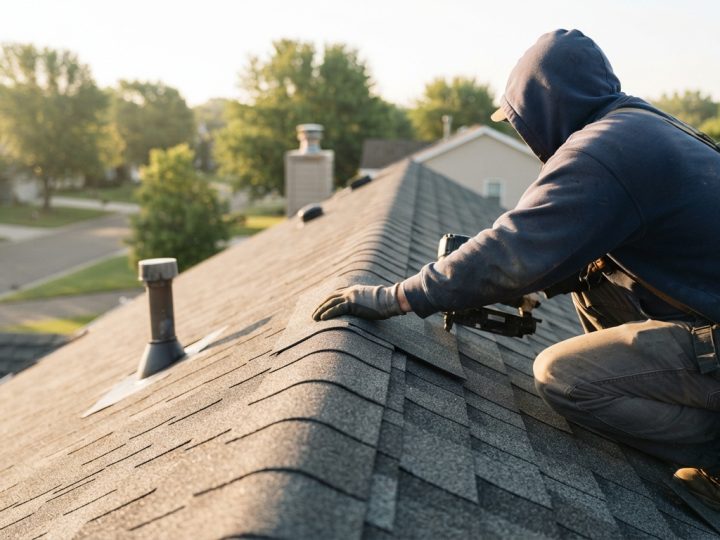
Business owners in Sheridan, WY often compare several low-slope and metal systems before settling on a material, since each reacts differently to temperature swings, snow load, and UV exposure. Flat and low-slope commercial buildings generally use single-ply membranes or metal panel systems rather than residential-style shingles, largely because of how water drains and how the roof is accessed for upkeep. When unexpected damage threatens a building’s protection, addressing an urgent roofing issue promptly can help prevent further deterioration and protect the property from weather-related damage.
Common Commercial Roofing Materials
Most commercial structures use one of a handful of established roofing systems, each suited to different building types and budgets.
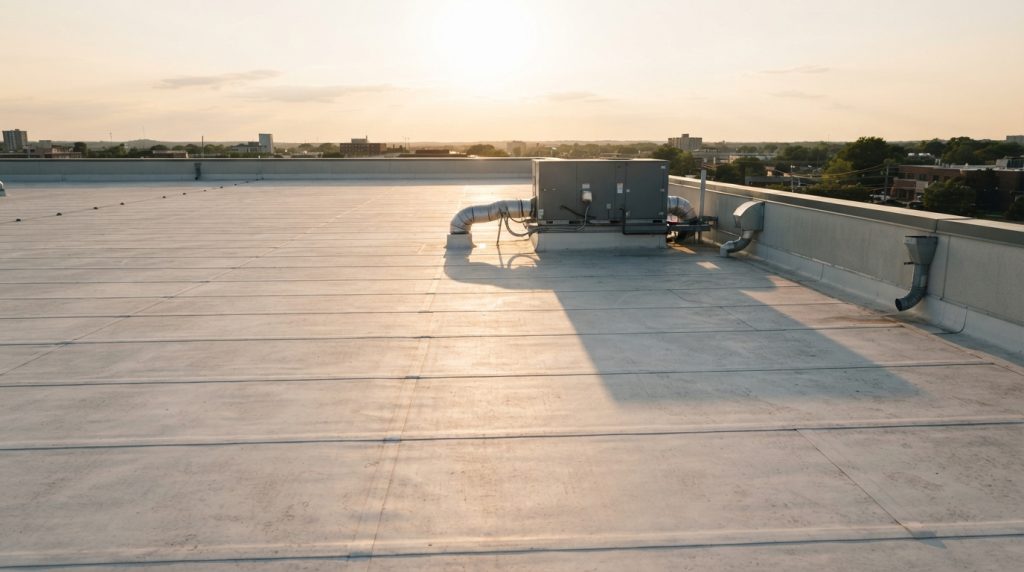
- TPO (Thermoplastic Polyolefin): A reflective single-ply membrane known for energy efficiency and heat-welded seams, with field life commonly falling in the 20 to 30 year range depending on membrane thickness.
- EPDM (Ethylene Propylene Diene Monomer): A synthetic rubber membrane valued for flexibility in cold climates, with some adhered systems reported to perform well past 30 years.
- Modified Bitumen: A layered asphalt-based system often used on smaller flat-roof sections or in combination with other membranes.
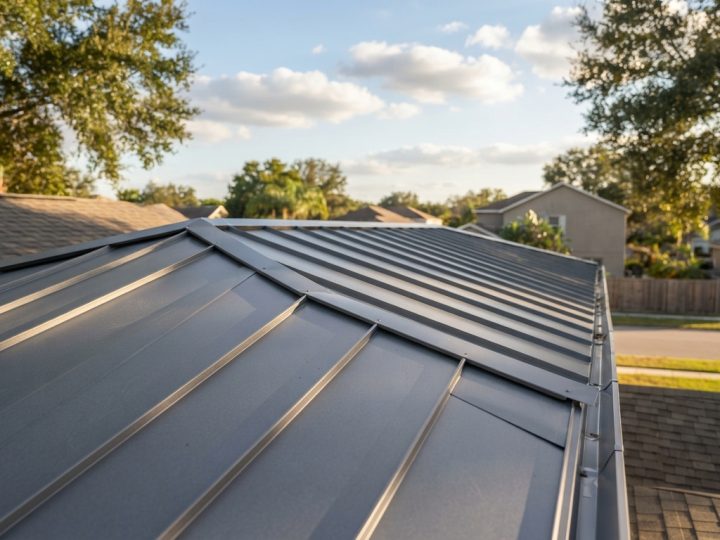
- Standing Seam Metal: A durable panel system that can outlast single-ply membranes, though it carries a higher upfront material cost.
The National Roofing Contractors Association publishes technical guidance on low-slope commercial roofing assemblies, which is a useful reference point when comparing membrane types and installation methods. Snow accumulation and freeze-thaw cycling in Sheridan, WY make drainage design and membrane flexibility particularly relevant factors when selecting a system for a flat or low-slope commercial building.
Comparing Roofing Systems
| System | Typical Lifespan | Best Suited For | Key Consideration |
|---|---|---|---|
| TPO | 20-30 years | Hot or sunny climates, energy-conscious buildings | Reflective surface reduces cooling costs |
| EPDM | 20-30+ years | Cold climates, buildings with wide temperature swings | Flexible membrane resists cracking |
| Modified Bitumen | 20-25 years | Smaller flat sections, multi-layer applications | Requires torch or adhesive installation |
| Standing Seam Metal | 30-45 years | Buildings wanting longer-term, low-maintenance coverage | Higher upfront cost, lower lifecycle cost |
Costs and Budgeting Considerations
Commercial roofing costs vary based on square footage, membrane thickness, roof accessibility, and the condition of the existing deck. Buildings with multiple penetrations, HVAC units, or drains typically cost more to roof because of the additional flashing and detail work required.
- Material selection affects both installed cost and expected replacement cycle.
- Tear-off versus recover decisions influence labor costs significantly.
- Roof accessibility and building height can add equipment and safety costs.
Budgeting for a commercial roof should account for long-term maintenance, not just the installation price, since deferred upkeep often leads to larger repair bills later.
Maintenance Practices That Extend Roof Life
Routine maintenance is one of the most effective ways to avoid premature roof replacement on a commercial property.
- Schedule inspections at least twice a year and after major storms.
- Clear debris, standing water, and vegetation from the roof surface and drains.
- Address seam separation or flashing issues promptly before leaks develop.
- Keep documentation of repairs and inspections for warranty compliance.
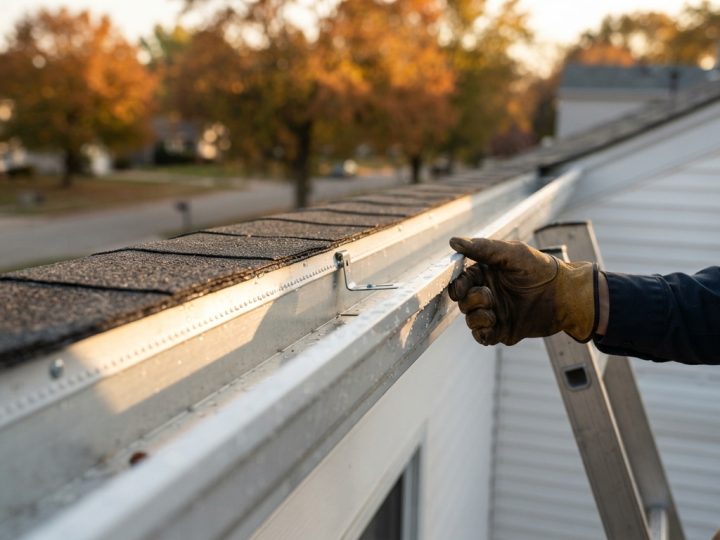
Gutter and drainage upkeep also plays a role in overall roof performance, since blocked drainage paths can contribute to ponding water and membrane stress over time.
Frequently Asked Questions
How often should a commercial roof be inspected? Most roofing associations recommend at least two inspections per year, along with additional checks after significant storms or heavy snow events.
What is the most cost-effective commercial roofing material? TPO is often chosen for its balance of installation cost and energy efficiency, while EPDM is frequently selected for colder climates due to its flexibility.
Can a commercial roof be repaired instead of replaced? Many issues, such as isolated seam failures or flashing damage, can be repaired if the underlying membrane and insulation remain in good condition.
Does snow load affect commercial roofing material choice? Yes, structural load capacity and membrane flexibility both matter in areas with significant snow accumulation, making material selection climate-dependent.
Based in USA, A-Line Roofing & Exteriors serves customers across Sheridan, WY, providing a point of reference for regional roofing practices discussed in this article.
A Note on Local Roofing Services
Published details for A-Line Roofing & Exteriors are available for those researching roofing contractors in the Sheridan, WY area.
Selecting a commercial roofing material involves weighing lifespan, climate performance, and budget against the specific demands of a building’s structure and use. Routine maintenance remains the simplest way to protect that investment once the system is installed, regardless of which membrane or panel type is chosen.