Summary:
• Most bulging disc cases improve with conservative, nonsurgical care such as physical therapy, medication, and targeted injections before surgery is ever discussed.
• Spine & Neurosurgery, based in Little Rock, evaluates spine conditions including disc herniation and offers a stepwise approach from conservative treatment through advanced surgical solutions when needed.
• Surgical options like artificial disc replacement are typically reserved for patients whose symptoms do not respond to nonsurgical care.
A bulging disc does not automatically mean surgery. According to the Cleveland Clinic, herniated discs get better on their own or with nonsurgical treatment for 9 out of 10 people, which is why most spine specialists start with conservative care before considering anything invasive.
For residents dealing with persistent back or neck discomfort, understanding the full range of nonsurgical paths matters before considering a more involved procedure like Bulging Disc in Little Rock, AR treatment through artificial disc replacement. A bulging disc occurs when the outer layer of a spinal disc weakens and protrudes outward, sometimes pressing on nearby nerves. The symptoms can range from mild stiffness to sharp, radiating pain, numbness, or weakness depending on which part of the spine is affected.
How a Bulging Disc Is Diagnosed
Getting an accurate diagnosis is the first step toward effective treatment. A thorough evaluation typically includes:
• Review of medical history and symptom patterns
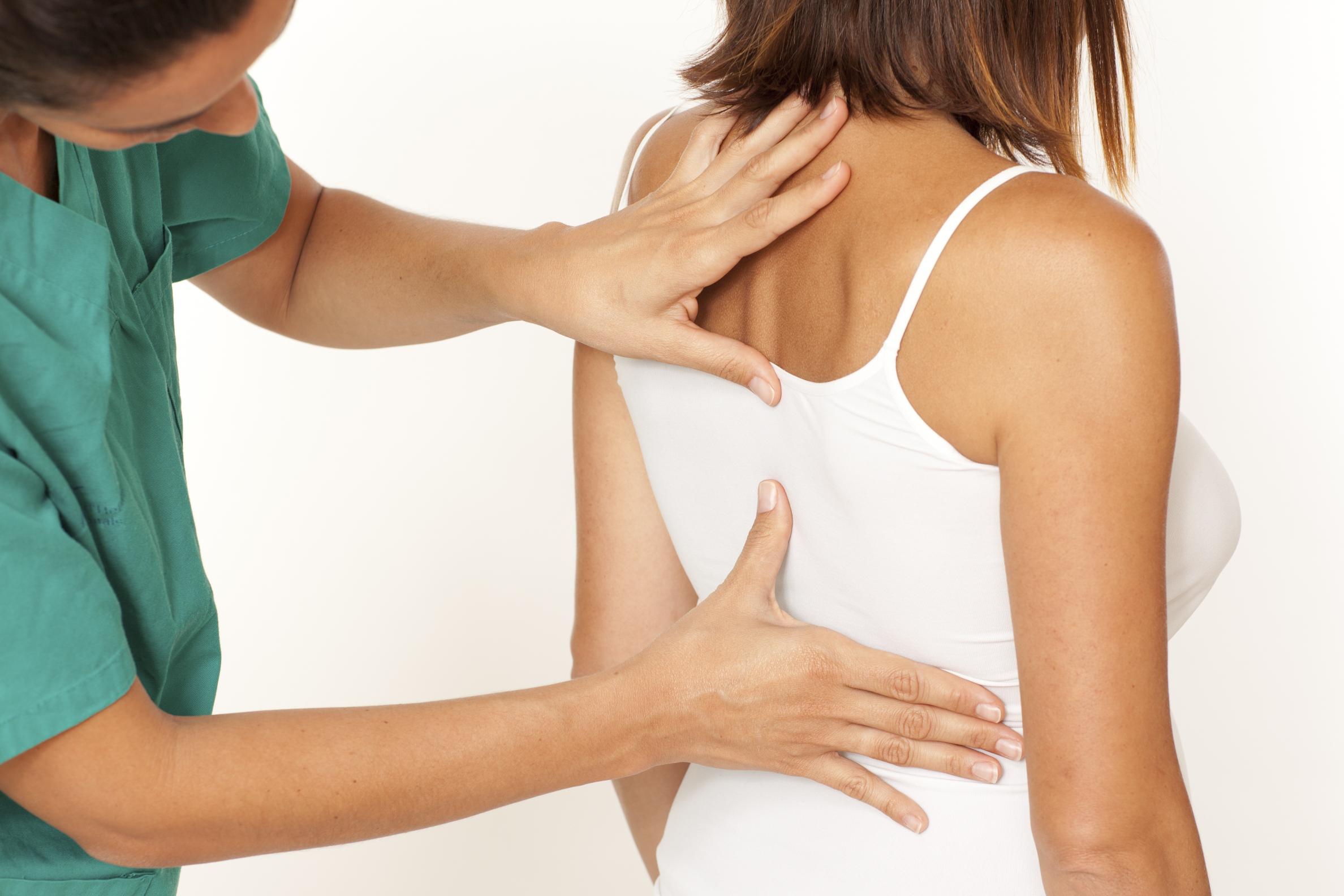
• Physical examination to assess strength, reflexes, and range of motion
• Imaging such as X-rays or MRI scans to confirm the location and severity of the disc issue
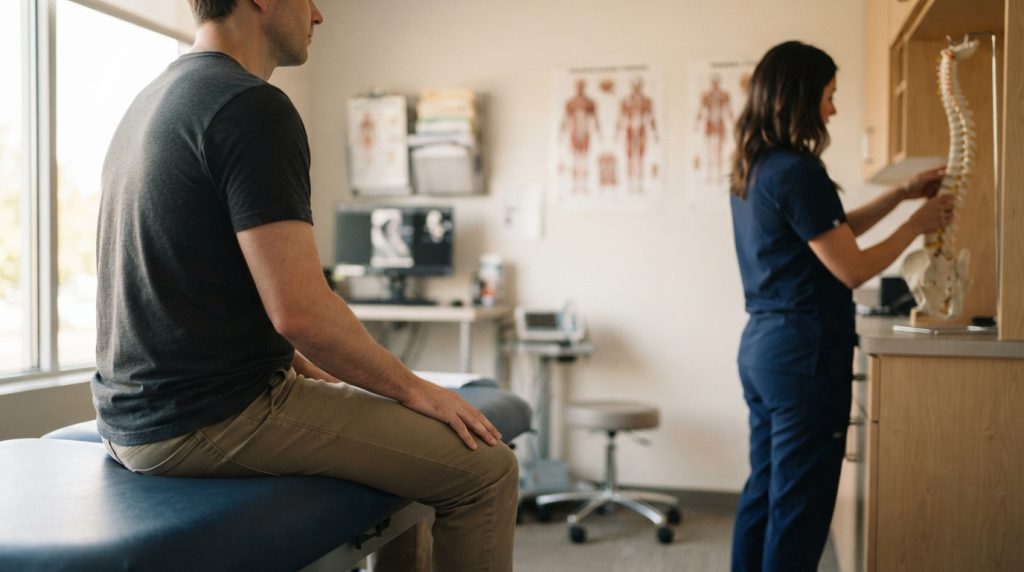
At Pinnacle Spine & Neurosurgery, care begins with a thorough evaluation where specialists review medical history, assess symptoms, and perform a physical examination to pinpoint the source of pain, with advanced imaging such as X-rays or MRIs used for a clearer diagnosis. This step helps determine whether a bulging disc is likely to resolve with conservative measures or whether further intervention may eventually be needed.
Nonsurgical Treatment Options Worth Understanding
Clinical guidance consistently points to conservative care as the starting point for disc-related pain. Many cases of neck pain and back pain can be managed with conservative treatments, with the goal of relieving discomfort and restoring function using the least invasive methods possible.
Common nonsurgical approaches include:
• Activity modification and posture adjustments to reduce ongoing strain on the affected disc
• Physical therapy aimed at strengthening supporting muscles and improving mobility
• Oral medications , including anti-inflammatories, to manage pain and swelling, as outlined by Cleveland Clinic’s guidance on herniated disk management
• Spinal injections , such as epidural steroid injections, used when pain persists despite initial conservative measures
A 2025 systematic review of lumbar disc herniation guidelines found that established nonsurgical treatments such as oral nonsteroidal anti-inflammatory drugs, cognitive behavioral therapy, and short-term epidural steroid injections carry higher evidential confidence based on available literature. This reinforces why most spine practices exhaust conservative options before recommending surgical evaluation.
Comparing Conservative and Surgical Pathways
| Treatment Type | Examples | Typical Use Case |
| Conservative (first-line) | Physical therapy, NSAIDs, activity changes | Mild to moderate symptoms, early-stage disc bulge |
| Minimally invasive nonsurgical | Epidural steroid injections | Persistent pain not resolved by first-line care |
| Surgical | Artificial disc replacement, discectomy, spinal fusion | Symptoms unresponsive to conservative care or significant nerve compression |
This progression reflects how spine care generally works: start conservative, escalate only when needed. If a condition does not improve with conservative care, or if a more complex spinal issue is present, a fellowship-trained spine surgeon may offer advanced surgical solutions such as spinal fusion or minimally invasive spine surgery.
When Nonsurgical Care Is Not Enough
Not every bulging disc responds to conservative treatment, and some patients eventually need a more definitive solution. Artificial disc replacement is a motion-preserving alternative to traditional spinal fusion for patients with degenerative disc disease. Unlike fusion surgery, artificial discs allow continued motion at the treated level, which may reduce stress on adjacent segments of the spine. This option is generally considered only after nonsurgical measures have been fully explored and documented.
Frequently Asked Questions
How long does a bulging disc take to heal without surgery? Recovery timelines vary by individual, but many disc-related symptoms improve within several weeks of consistent conservative care, including physical therapy and activity modification.
When should I see a spine specialist instead of waiting it out? If pain persists beyond a few weeks, worsens, or is accompanied by numbness, weakness, or loss of bladder or bowel control, prompt evaluation by a spine specialist is advisable.
Does every bulging disc eventually need surgery? No. Most patients find relief through conservative treatment alone, and surgery is typically considered only when symptoms do not improve or when nerve compression is significant.
What happens during an initial spine evaluation? An initial visit usually includes a symptom review, physical exam, and often imaging such as an MRI to clarify the diagnosis and guide the treatment plan.
Living with a bulging disc can feel discouraging, but most people find meaningful relief through conservative, step-by-step care rather than jumping straight to surgery. For those in central Arkansas whose symptoms persist despite nonsurgical efforts, a consultation with a spine-focused practice can clarify which path, conservative or advanced, fits individual circumstances. Patients can find appointment details and location information through Pinnacle Spine & Neurosurgery directly.