Simply put:
- Cracks, deep stains, chips near the sink, and persistent wobbling are the clearest signs a countertop has reached the end of its service life.
- Water damage or lifting edges near a sink basin often signal a hidden moisture problem that affects cabinets below.
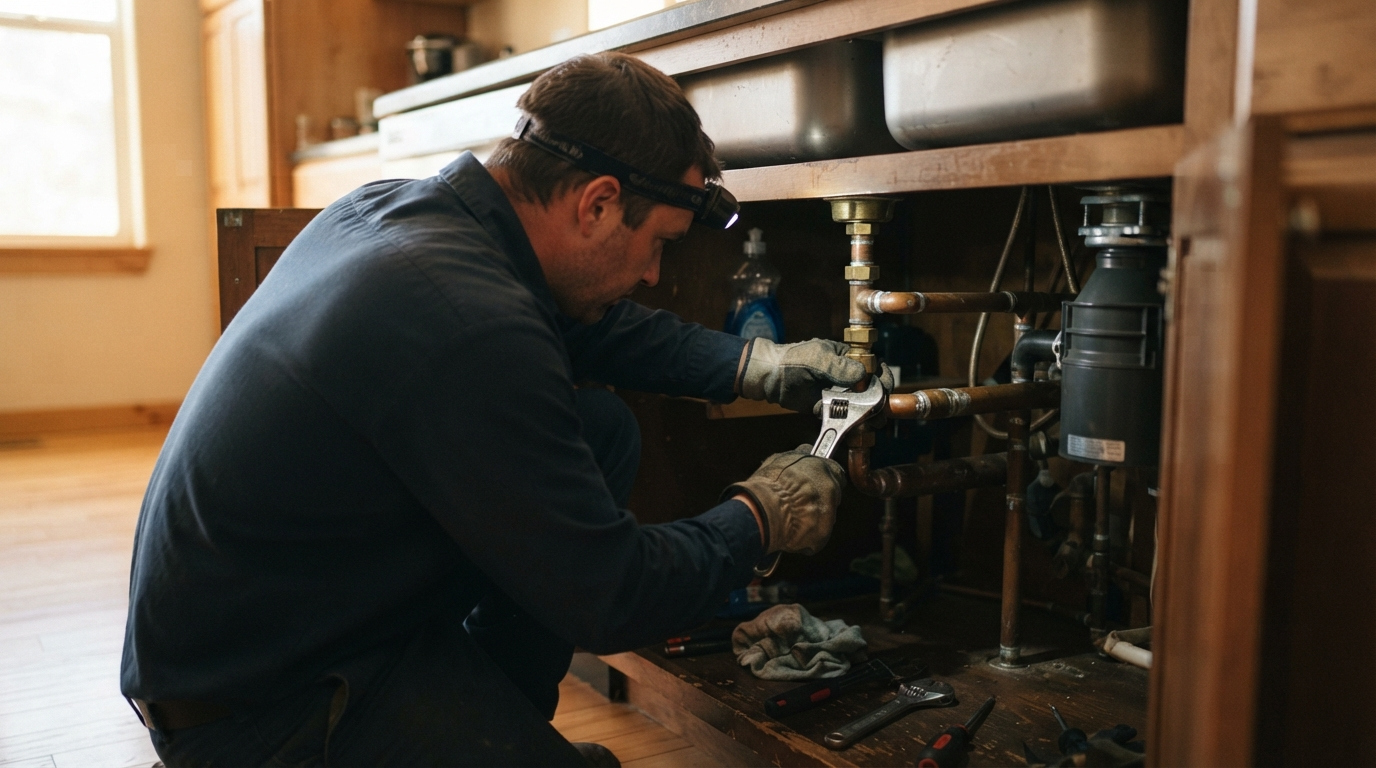
- A professional inspection can confirm whether a repair is enough or full replacement makes more sense for safety and resale value.
Milwaukee homeowners typically know their counters need replacing when visible damage, functional problems, or water intrusion start interfering with daily kitchen use rather than just the surface look.
Older homes across Southeast Wisconsin often carry original counters that were installed decades ago, and wear accumulates gradually until a single crack or leak forces a decision. Scheduling a professional look at kitchen counters before small issues become structural problems is one of the more practical steps a homeowner can take during a kitchen update. Many of these issues are easy to miss during routine cleaning, which is why a trained eye matters.
Physical Damage That Signals Replacement
Surface damage is usually the most visible warning sign, and some types of wear cannot be reversed with cleaning or minor repair.
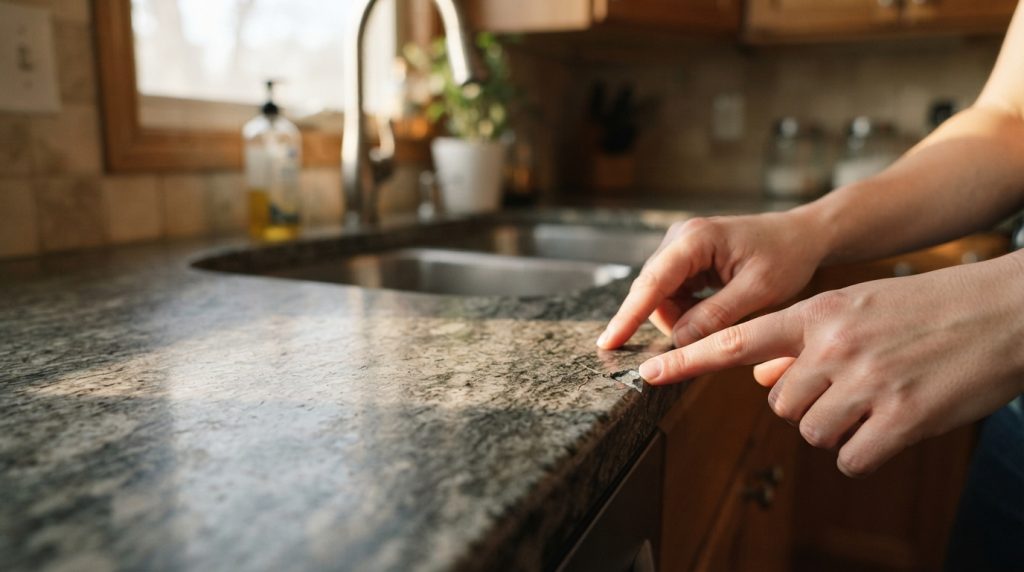
- Cracks running through the surface, especially near the sink cutout or stovetop edge
- Chips or missing chunks along counter edges or corners
- Deep, set-in stains that resist standard cleaning products
- Burn marks or heat damage from hot pans placed directly on the surface
- Scratches so deep they catch on a fingernail
A countertop with any of these issues is more than a cosmetic concern. Cracks and chips can trap bacteria and moisture, and according to the National Kitchen & Bath Association’s industry guidance, countertop material choice and condition directly affect sanitation and long-term kitchen function. Once a surface is compromised at this level, patching rarely restores the same durability as a clean replacement.
Water Damage and Structural Warning Signs
Water exposure around sinks and dishwashers creates problems that are not always visible from above. Lifting laminate edges, soft spots near the sink basin, or a counter that feels slightly unstable when pressed usually point to moisture that has worked its way into the substrate.
- Swelling or bubbling along seams near the sink
- A musty smell coming from under the counter edge
- Visible gaps between the counter and backsplash that were not there before
- Soft or spongy spots when pressed near plumbing fixtures
These signs often mean water has reached the particleboard or plywood base beneath the countertop material, which can also affect the cabinets underneath. Left unaddressed, this kind of damage tends to spread rather than stay contained to one spot.
Comparing Common Countertop Conditions
| Condition Observed | Likely Cause | Typical Next Step |
| Minor surface scratches | Normal wear from daily use | Monitor; repair or reseal if needed |
| Deep cracks or chips | Impact damage or material fatigue | Replacement usually recommended |
| Swelling near sink edge | Water intrusion into substrate | Inspection and likely replacement |
| Wobbling or shifting counter | Weakened or damaged support structure | Professional evaluation required |
This table is a general reference point. A hands-on inspection is still the most reliable way to confirm whether a counter needs full replacement or a more limited repair.
When Outdated Counters Affect More Than Looks
Age alone is not always a reason to replace a countertop, but older surfaces can create practical problems beyond appearance. Laminate from past decades may no longer match current kitchen layouts, and some older materials are harder to clean effectively compared to newer options. Homeowners planning to sell in the near future often find that dated counters stand out during showings, even when the rest of the kitchen is in good condition.
A countertop that no longer fits the counter space after a sink or appliance upgrade is another common trigger. Gaps, uneven edges, or a surface that was cut for a different fixture configuration can create both a safety issue and a functional inconvenience during everyday cooking tasks.
Frequently Asked Questions
How do I know if my countertop can be repaired instead of replaced? Minor scratches, small chips, or light staining can often be addressed with resealing or spot repair. Cracks that go through the material, structural instability, or water-damaged substrate typically call for replacement rather than repair.
Does countertop material affect how long it lasts in a Milwaukee kitchen? Yes. Different materials respond differently to moisture, temperature changes, and daily wear, which is why matching the material to how the kitchen is used matters during a replacement decision.
Can a damaged countertop affect the cabinets below it? It can. Water that seeps through a cracked seam or lifted edge can reach the cabinet base, leading to swelling, warping, or mold growth if it goes unnoticed for an extended period.
Is it better to replace one section or the entire countertop? This depends on how the damage is distributed and whether matching the original material is still possible. A professional assessment can clarify which option fits the specific kitchen layout and budget.
Recognizing these warning signs early helps homeowners avoid a small countertop issue turning into a larger kitchen project. For residents evaluating whether a counter has reached the end of its usable life, a professional assessment from a local team familiar with Milwaukee homes can clarify the right next step. Oak Creek Plumbing has served the Milwaukee area with kitchen and plumbing-related work, and a direct conversation with a local contractor remains one of the most reliable ways to confirm whether repair or replacement makes sense for a specific kitchen.