In short:
• ADHD treatment typically combines behavioral therapy, medication, and in some cases neurofeedback to improve focus, attention, and self-regulation.
• Treatment plans are individualized based on age, symptom severity, and co-occurring conditions.
• Options available near Minnetonka, MN, range from conventional medical care to naturopathic and neurofeedback-based approaches.
ADHD treatment refers to the combination of medical, behavioral, and therapeutic strategies used to manage attention-deficit/hyperactivity disorder symptoms such as inattention, impulsivity, and hyperactivity. Most approaches fall into three categories: medication, behavioral therapy, and emerging neurotherapy methods, often used together rather than in isolation.
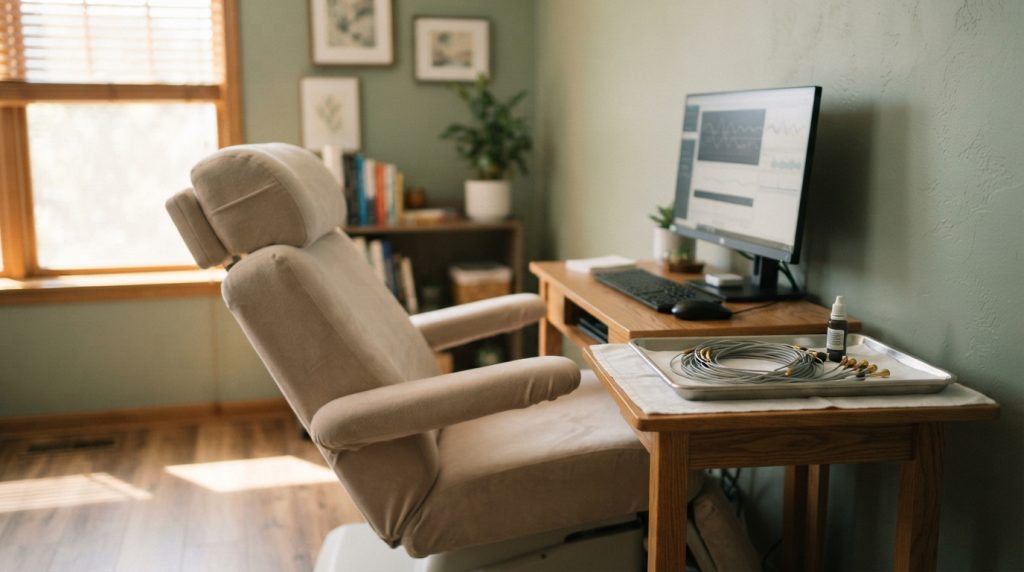
For residents exploring non-pharmaceutical approaches to attention and focus difficulties, ADHD Treatment through neurofeedback may be an option to discuss with a qualified healthcare professional. Neurofeedback uses sensors placed on the scalp to monitor brain activity and provide real-time feedback during training sessions. Yggdrasil Naturopathic Medicine – Functional Medicine, serving the Minnetonka, MN, area, offers neurofeedback as an approach for individuals interested in exploring additional support for attention and focus. People considering this method should consult a qualified healthcare provider to understand its potential benefits, limitations, and suitability alongside established ADHD treatments.
How ADHD Is Diagnosed and Why Treatment Varies
ADHD affects a significant share of the population, and treatment rates differ widely depending on access and approach. According to the CDC, an estimated 7 million U.S. children aged 3 to 17 have a current ADHD diagnosis, and treatment type varies by state and demographic group.
Because symptoms and severity differ from person to person, no single treatment works for everyone. A clinician typically considers:
• Age of the patient (child, teen, or adult)
• Symptom severity and daily-life impact
• Presence of co-occurring conditions like anxiety or depression
• Family preference regarding medication versus non-drug approaches
Common ADHD Treatment Approaches
Most treatment plans draw from a short list of established methods, though the balance between them depends on individual needs.
|
Treatment Type |
How It Works |
Typical Use |
|
Stimulant/non-stimulant medication |
Alters neurotransmitter activity to improve focus |
First-line for many children and adults |
|
Behavioral therapy |
Teaches coping strategies and structure |
Often paired with medication |
|
Neurofeedback |
Trains brainwave patterns using sensor feedback |
Non-drug option for focus and attention support |
|
Lifestyle and nutrition support |
Addresses sleep, diet, and stress factors |
Complementary to other treatments |
The AAP treatment recommendations note that stimulant medications are the most widely used ADHD treatment, with a majority of children showing fewer symptoms while taking them. Even so, not every patient responds well to medication, and some families seek alternatives due to side effects or personal preference.
Neurofeedback as an ADHD Treatment Option
Low Energy Neurofeedback, or LENS, is one specific method used as an ADHD treatment option for people who have trouble sitting still or concentrating during longer therapy sessions. Sessions typically last only a few minutes, and the person does not need to actively participate or perform any task during the process.
During a session:
1. Sensors are placed on the scalp to capture brainwave activity.
2. A computer program processes that data.
3. Information is returned to the brain to help support self-regulation.
This method is offered in Minnetonka, MN, as part of a broader naturopathic evaluation process that considers whether neurofeedback or another therapy fits a patient’s specific health goals.
Frequently Asked Questions
Is medication required for ADHD treatment to work? No. Many patients use behavioral therapy, neurofeedback, or lifestyle adjustments instead of or alongside medication, depending on their response and preference.
How long does neurofeedback treatment take to show results? Individual sessions are brief, often only three to four minutes, though the number of sessions needed varies by person and is typically determined after an initial evaluation.
Can adults use neurofeedback for ADHD symptoms? Yes. Neurofeedback is used for both children and adults experiencing attention and focus difficulties, not only pediatric cases.
Does ADHD treatment look different in children versus adults? Yes. Children are more frequently treated with a combination of medication and behavioral therapy, while adults may lean more toward strategies that fit work and lifestyle demands.
Local Resource for ADHD Treatment Information
Yggdrasil Naturopathic Medicine is a naturopathic clinic based in Minnetonka, MN, serving the surrounding area with naturopathic and functional medicine care.
Additional background on local naturopathic care options can be reviewed through Find Yggdrasil Naturopathic Medicine on Google, which lists current contact and location details.